For any new Tesla owner, the ritual of plugging in can be surprisingly fraught with anxiety. Between forum lore, conflicting advice, and the desire to perfectly preserve a significant investment, charging becomes more than a simple task—it's a source of constant second-guessing. After two years of navigating this landscape, transforming from an obsessive battery micromanager to a pragmatic user, I've identified the key misconceptions that complicate ownership. Here are the six most common charging mistakes and the data-driven, simplified approach I use today.
Mistake 1: Obsessing Over the 80% Daily Limit
The most pervasive piece of advice is to never charge above 80% for daily use. While this is a good general guideline for long-term battery health, treating it as an inflexible rule creates unnecessary hassle. Modern Tesla batteries, particularly LFP chemistries in standard-range models which Tesla recommends charging to 100% weekly, are more resilient. My mistake was religiously capping every charge, leading to range anxiety on days with unexpected errands. The correction: I now set my daily limit to 80%, but without panic if I need to adjust to 90% or 100% for an upcoming trip. The key is that sustained high states of charge, not occasional peaks, are the real concern.
Mistake 2: Deep Discharging "For Battery Health"
Influenced by older battery technology myths, I would sometimes let my state of charge drop below 20% before plugging in, believing it was "exercising" the pack. This is counterproductive for lithium-ion batteries. Tesla's own guidance indicates that the battery is happiest between 20% and 80%. Regularly draining it low increases stress and degradation. My new protocol is simple: plug in nightly. I treat my EV like a smartphone, topping it up consistently so it starts each day within the ideal mid-range buffer, ready for anything without straining the battery.
Mistake 3: Irrational Fear of Supercharger Use
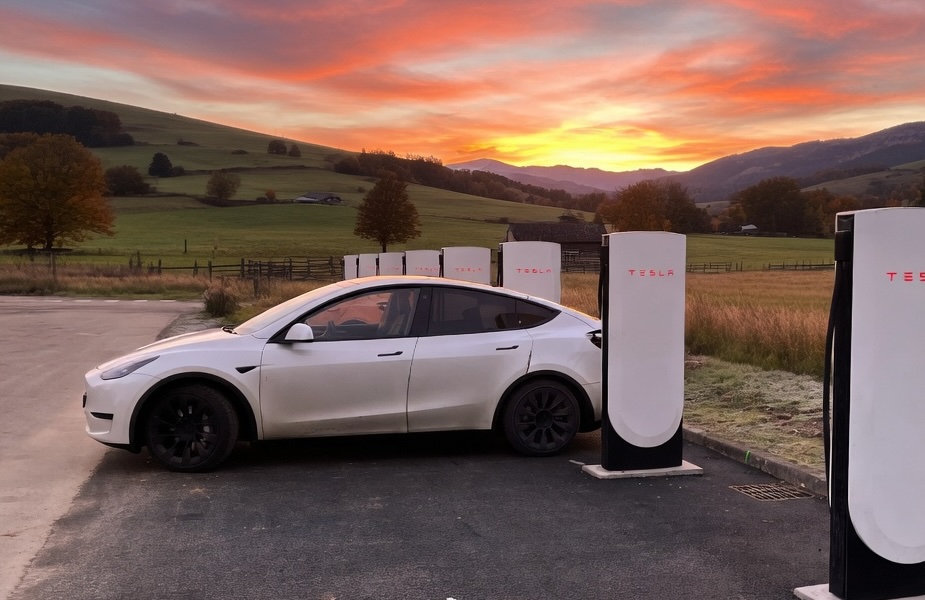
I used to view Superchargers as a last resort, believing even occasional use would catastrophically degrade my battery. While frequent, exclusive DC fast charging can have a long-term impact, the effect of occasional use on road trips is minimal. Tesla's sophisticated battery management system actively cools the pack during high-speed charging to mitigate damage. The takeaway: use Superchargers freely for travel without guilt, but for daily needs, rely on slower home charging. Convenience shouldn't be sacrificed at the altar of an overstated risk.
Implications for Tesla Owners and Investors
For owners, the lesson is to leverage technology over anxiety. Trust the vehicle's built-in battery management systems and recommended settings. Simplifying your charging routine—plugging in nightly, using scheduled charging for off-peak rates, and charging to the level your day requires—enhances the ownership experience far more than rigid adherence to forum dogma. For investors, this user journey underscores the critical importance of battery technology and software resilience. As Tesla continues to refine cell chemistry and thermal management, it directly reduces owner anxiety and solidifies the brand's reputation for durable, worry-free electric vehicles, which is a powerful competitive moat in the accelerating EV market.