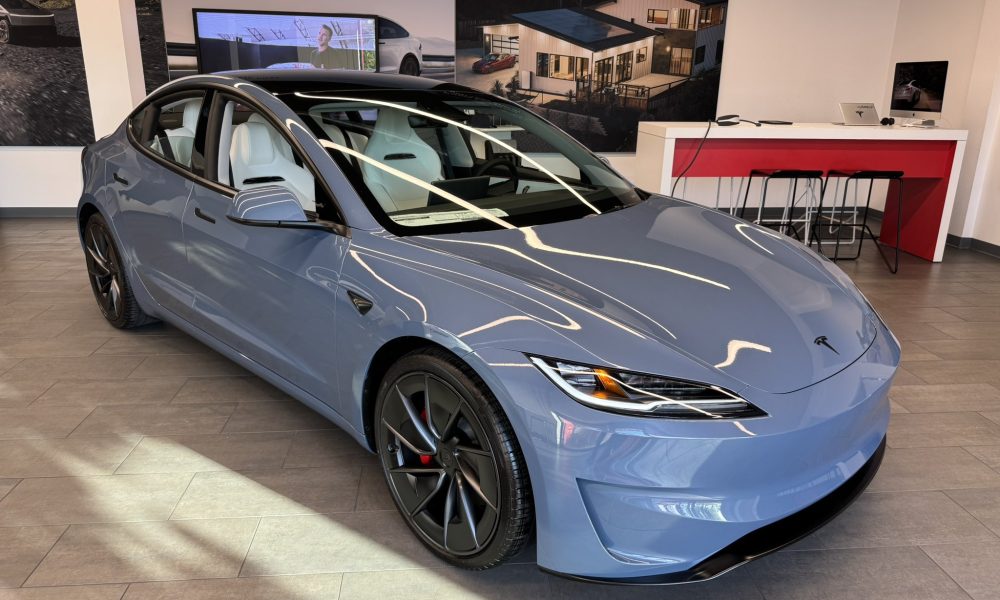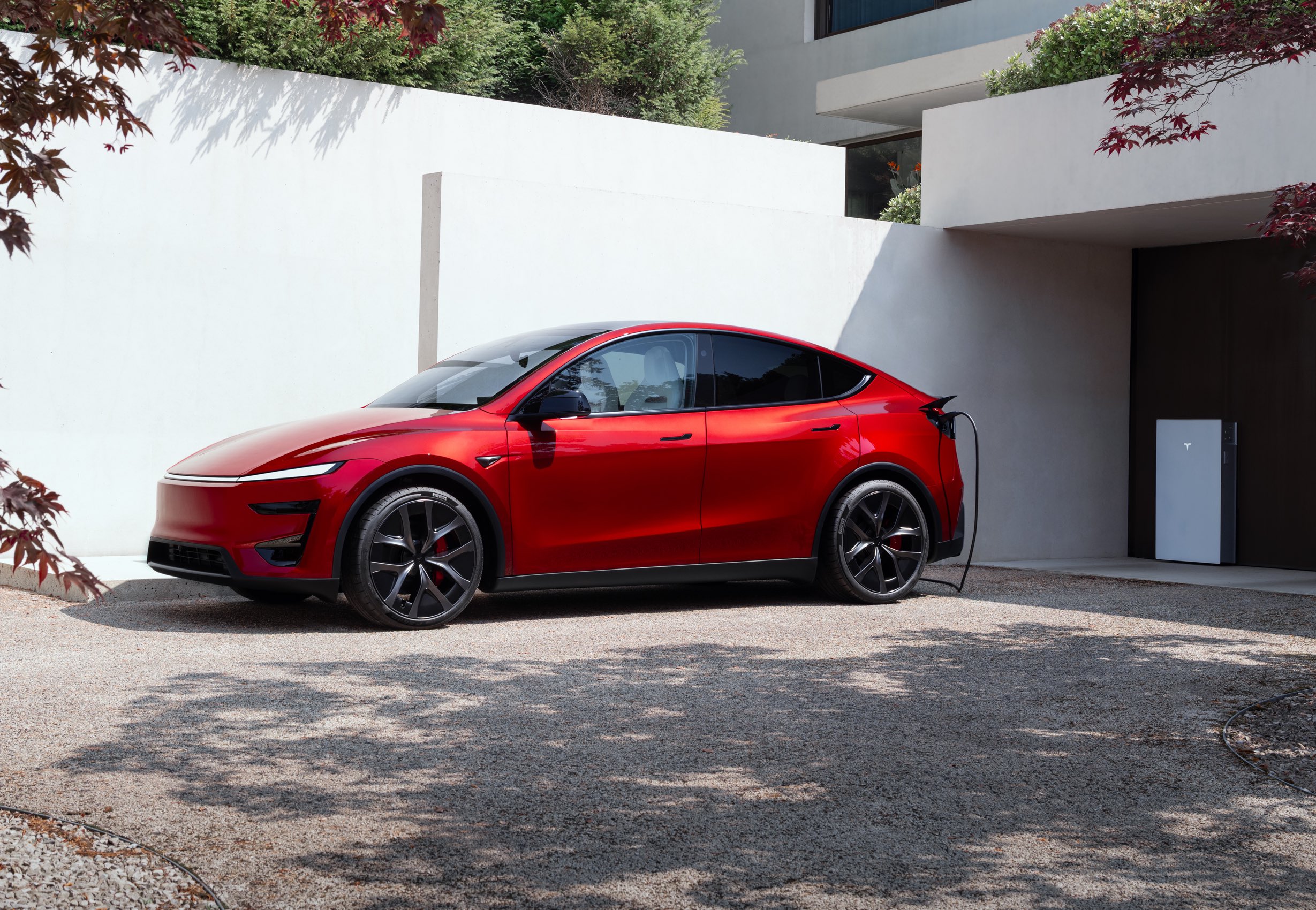
After seven years and countless kilometers of faithful service, my BMW 3 Series diesel was more than just a car; it was a trusted companion. I parted with it not out of disappointment, but due to rising maintenance costs and the simple march of time. Last September, I placed an order for a Tesla Model 3 Highland Long Range, embarking on a transition that has been as enlightening as it is irreversible. The shift from a revered internal combustion icon to a leading electric vehicle has been a masterclass in contrasts, revealing profound surprises that every premium automaker—and potential convert—should heed.
The Unmatched Highs: Software, Simplicity, and Savings
The first shock was positive and absolute: the car is a computer on wheels. The over-the-air software updates deliver tangible improvements long after purchase, a concept my BMW could never grasp. This transforms ownership from static to dynamic, with new features appearing as gifts. The minimalist interior, initially stark, reveals a genius of reduced physical complexity; there are simply fewer things to break or maintain. Operationally, the cost differential is staggering. Charging at home slashes my "fuel" bill by nearly 80%, and the absence of oil changes, filter replacements, and exhaust system worries renders traditional maintenance schedules obsolete.
The Jarring Adjustments: Ride, Noise, and Tactile Feedback
Not all surprises were welcome. The Model 3's firm ride quality, even on the updated Highland model, was immediately apparent. It trades the BMW's pliant, road-isolating comfort for a more connected, sometimes unforgiving feel that prioritizes handling agility. Furthermore, the acoustic profile is inverted. While the cabin is eerily silent at low speeds, road and wind noise become prominent at highway velocities, a trade-off for the lack of engine drone. The most persistent adjustment, however, is the regenerative braking and one-pedal driving. It's efficient and intuitive once mastered, but it utterly dismantles the nuanced, pedal-modulated driving rhythm ingrained in any seasoned driver of performance sedans.
The experience underscores a fundamental philosophical rift. Tesla engineers the vehicle as a cohesive, software-driven ecosystem where the driver adapts to its optimized logic. Brands like BMW traditionally sculpt the machine around the driver's sensory expectations. This is most evident in controls; the lack of instrument clusters and tactile buttons demands total faith in the central screen, a transition that feels alien before it becomes second nature.
Implications for Tesla Owners and Investors
For current and prospective Tesla owners, this journey validates the core value proposition: lower total cost of ownership, continuous improvement, and blistering performance are real, not marketing hype. However, it also confirms that the brand still makes clear compromises on traditional luxury metrics like noise insulation and ride suppleness to achieve its goals. For investors, the narrative is critical. Tesla's conquest of drivers from established premium marques is accelerating, but the feedback loop from these converts is vital. As competitors improve their EV software and charging ecosystems, Tesla must address these nuanced experiential gaps to maintain its edge. The company's ability to refine the tactile driving experience while maintaining its tech lead will determine its hold on the next wave of premium buyers.