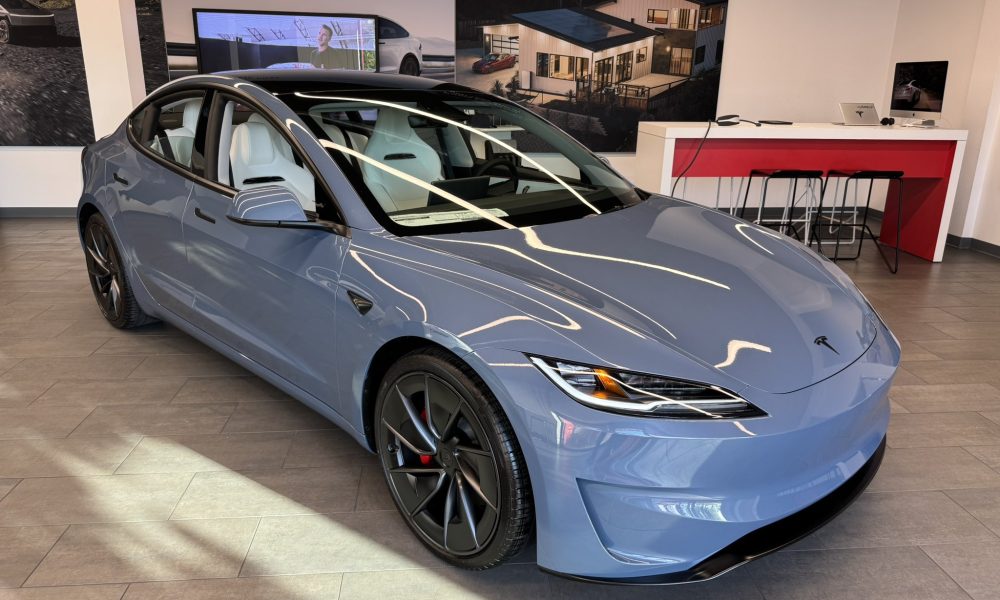
For Tesla Model 3 owners, the year 2026 presents a golden era of personalization where aesthetic modification and technical optimization are no longer mutually exclusive. The aftermarket scene has matured beyond simple cosmetic add-ons, evolving into a sophisticated ecosystem where the right body kit and wheel combination can redefine your EV's character, aerodynamics, and even its range. This guide cuts through the noise to help you navigate the critical choices for transforming your Model 3 into a true reflection of performance and personal style.
Beyond Aesthetics: The 2026 Philosophy of EV Modification
The paradigm has shifted. Today's premium body kits are engineered with computational fluid dynamics (CFD) to complement or enhance the Model 3's inherent aerodynamic profile. A well-designed front lip, side skirts, and rear diffuser work in concert to manage airflow, reducing lift and turbulence. This isn't just for track-day enthusiasts; improved stability and reduced drag coefficient can translate to tangible gains in energy efficiency at highway speeds. The key is selecting kits from reputable manufacturers that provide validated data on aerodynamic impact, ensuring your visual upgrade supports the vehicle's electric vehicle fundamentals rather than hindering them.
Selecting Your Foundation: Wheel Size, Weight, and Aerodynamics
Your wheel choice is the most critical performance decision you'll make. In 2026, the market offers a vast array of lightweight forged alloys and advanced aerodynamic wheel designs specifically for EVs. The primary rule remains unsprung weight: lighter wheels improve acceleration, braking, and ride quality. However, the new frontier is aero wheels. Many new designs feature smoother, more enclosed faces that channel air around the wheel well, significantly reducing drag. Consider a setup like 20-inch aerodynamic alloys paired with slightly wider, performance-oriented tires for a aggressive stance, but be mindful that larger, stickier tires can impact range. The optimal choice balances your desired look with a clear understanding of its effect on efficiency.
Material Science and Integration: The 2026 Kit Quality Checklist
Gone are the days of ill-fitting, brittle accessories. Premium kits now utilize advanced materials like pre-preg carbon fiber, automotive-grade polyurethane, and flexible composites that offer durability and a perfect OEM+ fitment. When evaluating a body kit, scrutinize the mounting system—it should use factory anchor points or non-invasive bracketing to preserve your vehicle's integrity. Furthermore, ensure the kit's design language flows seamlessly with the Model 3's existing lines; an aggressive widebody kit should look born, not bolted on. For wheels, always verify load ratings exceed the Model 3's requirements and that the hub-centric design ensures a vibration-free ride.
For Tesla owners and investors, this maturation of the aftermarket signals a robust and enduring ecosystem that enhances vehicle longevity and owner engagement. A thoughtfully modified Model 3 can retain, or even increase, its desirability in the resale market as personalization becomes a valued hallmark. For the company, it underscores the Model 3's role as a foundational platform for innovation, much like iconic sports cars of the past. Your perfect modification path ultimately hinges on aligning cutting-edge parts with a clear vision, whether it's a stealthy efficiency machine or a head-turning performance statement.