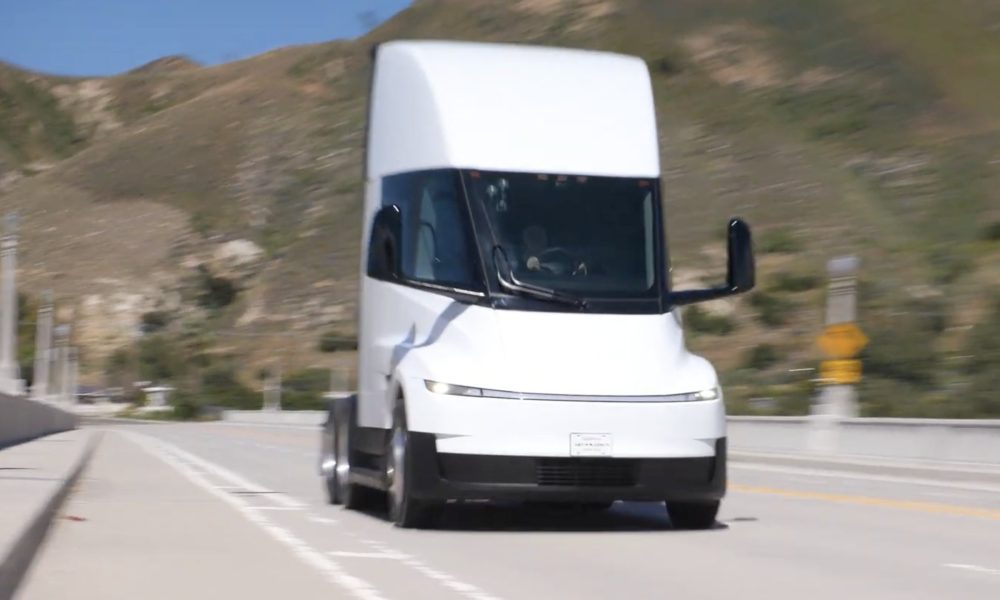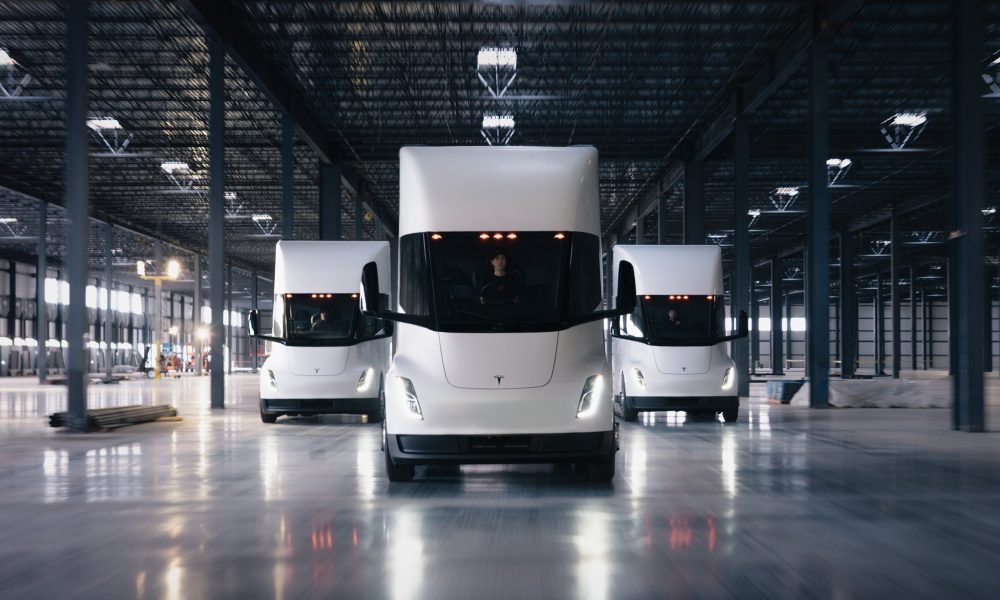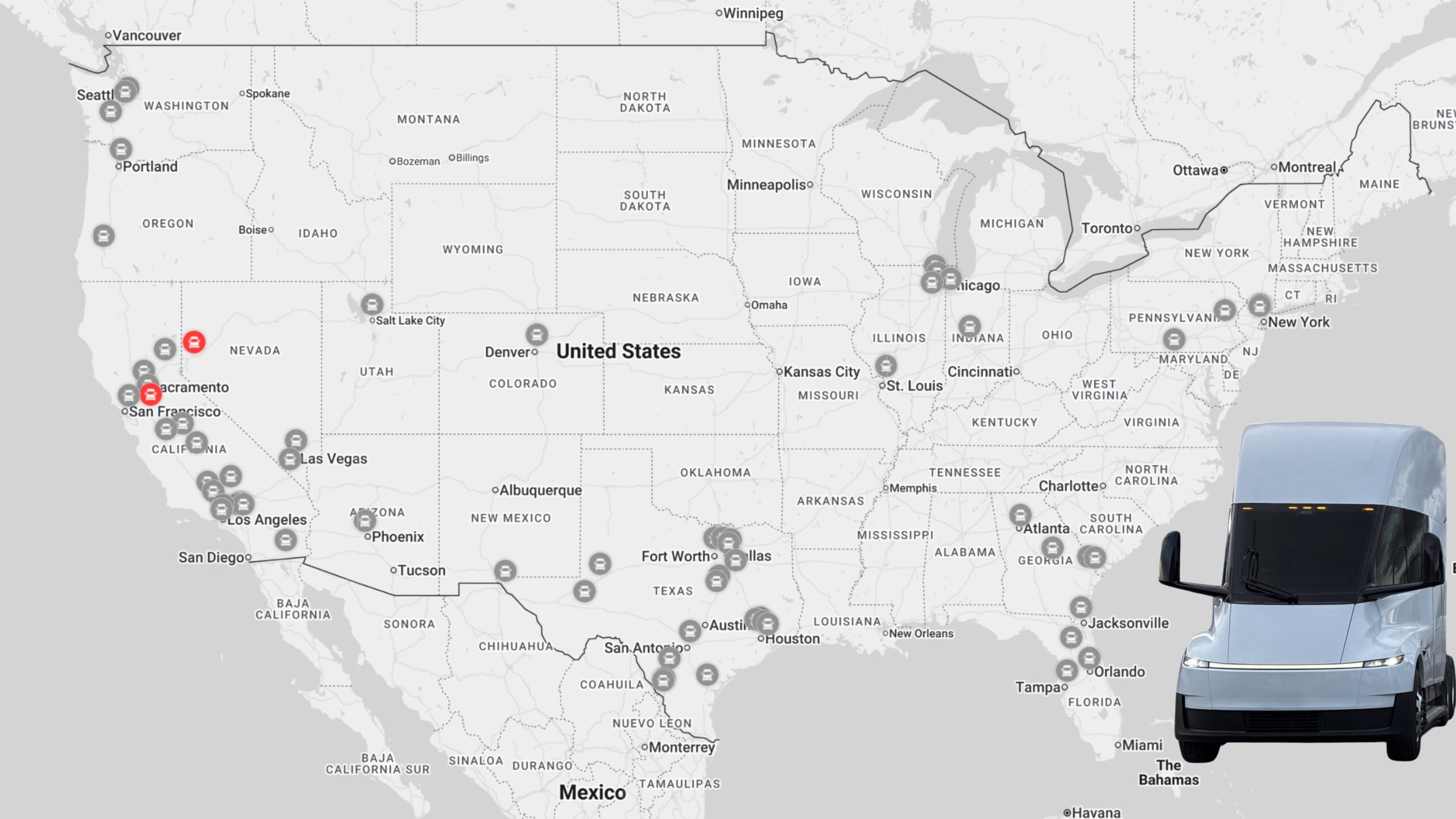
The electric trucking revolution is shifting into high gear, and its backbone is being laid in plain sight. While the Tesla Semi has captured headlines with its performance, Tesla's most strategic move is happening on the ground: the quiet, rapid deployment of its proprietary Megacharger network. A recent analysis of permits and construction plans reveals at least 67 future Megacharger locations strategically plotted along America's critical freight corridors, from the industrial heart of Texas to the logistical hubs of California. This isn't just an infrastructure project; it's a calculated play to dominate the future of commercial transport before competitors even leave the dock.
The Megacharger Network: A Strategic Blueprint for Freight
The revealed locations form a clear pattern, targeting the nation's busiest and most economically vital trucking routes. Key clusters are emerging near the I-35 corridor in Texas, throughout California's Central Valley, and along major interstates like I-80 and I-10. These sites are not random; they are positioned near existing freight hubs, warehouses, and major distribution centers, minimizing detour time for fleet operators. This precision planning indicates Tesla is working directly with logistics companies and early Semi adopters like PepsiCo to ensure the network supports real-world operations from day one. The scale suggests preparation for hundreds, and eventually thousands, of Semis hitting the road.
Beyond Speed: The Technology Powering the Transition
While exact specifications remain closely guarded, the Megacharger is understood to be a step-function beyond current EV fast-charging. Designed explicitly for the Semi's massive battery pack, it is expected to deliver sufficient energy for hundreds of miles of range in well under 45 minutes, aligning with mandatory driver rest breaks. This technology is the linchpin for viable electric trucking, turning potential downtime into a managed operational efficiency. Furthermore, the strategic siting of these stations, often with space for multiple Semis, points to a system designed for high-throughput fleet charging, a critical consideration for companies running dozens of trucks on tight schedules.
The implications of this rollout extend far beyond simple refueling. Tesla is effectively creating a new ecosystem for freight, integrating the Semi, its energy-dense batteries, and a private, high-power charging network. This vertical integration mirrors the company's strategy with the Supercharger network for passenger vehicles, but with a focus on the rigorous demands of commercial logistics. By controlling the entire stack—truck, software, and energy delivery—Tesla can optimize the total cost of ownership for fleets in a way that fragmented, third-party charging solutions cannot easily match.
For Tesla investors, the Megacharger buildout is a tangible signal of the company's commitment to the Semi as a major growth pillar. The capital expenditure reflects confidence in the vehicle's ramp and future demand. For fleet owners and operators, the emerging map provides the certainty needed for long-term electrification planning. Knowing that a robust, truck-specific charging infrastructure will be in place along key routes de-risks the transition to electric fleets and makes the Tesla Semi a more compelling, operational reality. The race for the electric freight future is on, and Tesla is not just building a truck—it's paving the entire road.