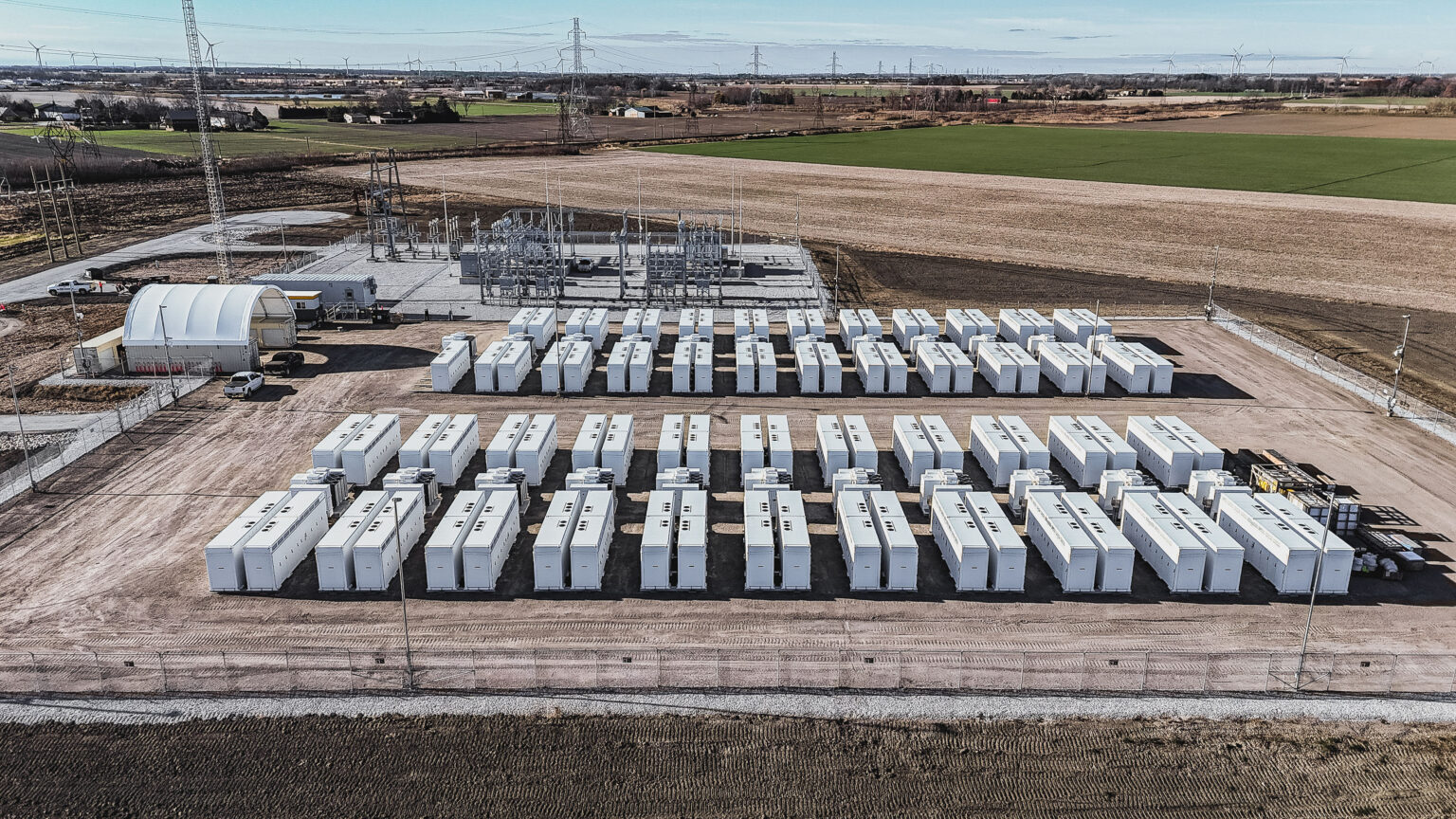
While Tesla's electric vehicles dominate headlines, a quieter but equally transformative revolution is unfolding in the French energy grid. In the commune of Cernay-lès-Reims, a monumental project is nearing completion: the connection of 140 Tesla Megapack units to the national network. Upon full commissioning, this facility will officially become France's largest battery energy storage system (BESS), marking a pivotal moment for grid stability and the nation's renewable energy ambitions.
A Megapack Powerhouse in the Heart of France
The Cernay-lès-Reims site represents a significant infrastructure investment and a strategic shift for France's power management. Each Megapack is a container-sized lithium-ion battery, engineered for utility-scale storage. The combined system will boast a capacity estimated to be in the hundreds of megawatt-hours, capable of discharging a substantial amount of power almost instantaneously. This project, developed by a specialized energy storage operator, leverages Tesla's technology to create a critical buffer for Réseau de Transport d'Électricité (RTE), the French grid operator. Its location is strategic, positioned to help balance supply and demand within a key region of the national network.
Beyond Backup: The Grid-Services Revolution
The primary function of this Tesla-powered battery farm extends far beyond mere emergency backup. Its speed and precision make it an ideal tool for providing ancillary grid services. These include frequency regulation—constantly making micro-adjustments to keep the grid's frequency stable—and absorbing or injecting power to smooth out fluctuations. This is increasingly vital as France, like its European neighbors, integrates more intermittent renewable sources like wind and solar. The Megapack system will act as a shock absorber, mitigating the variability of green energy and ensuring reliability as the grid decarbonizes.
Furthermore, the installation will play a crucial role in local grid congestion management. By storing excess energy during periods of low demand and releasing it during peak hours, it helps defer or avoid costly upgrades to traditional grid infrastructure like transformers and power lines. This "virtual power plant" capability enhances efficiency and can help stabilize energy prices for consumers by flattening demand peaks.
Implications for Tesla's Ecosystem and Investors
For Tesla, the French Megapack project is a powerful validation of its energy division's growth trajectory. It demonstrates that Tesla is not just an EV manufacturer but a leading energy solutions provider competing in the massive global infrastructure market. Every large-scale deployment like Cernay-lès-Reims serves as a reference case, bolstering Tesla Energy's credibility and likely accelerating the sales pipeline for its Megapack and Powerpack products worldwide.
For Tesla owners and investors, this news underscores the company's diversified revenue streams and its central role in the global energy transition. A successful, high-profile grid storage project reinforces Tesla's technological moat and its mission to accelerate sustainable energy. It also highlights a business segment with potentially higher margins than automotive, promising greater financial resilience. As nations worldwide race to fortify their grids, Tesla's early-mover advantage in large-scale battery systems positions it not only as a disruptor of transportation but as a fundamental architect of the future power grid.