In a stark contradiction to the clean energy ethos that propelled Tesla to global prominence, new reporting reveals that Elon Musk's other ventures, particularly his artificial intelligence company xAI, are driving a massive surge in carbon-intensive energy consumption. This pivot towards what critics are calling "dirty deals" to power data centers is not only undoing years of decarbonization progress but is also creating a complex financial and ethical landscape for Tesla and its stakeholders.
The Staggering Energy Cost of the AI Arms Race
At the heart of the issue is the insatiable power demand of AI infrastructure. To train and run models like Grok, xAI is reportedly seeking to construct its own data centers, with plans to power them directly with natural gas plants. This move would represent a significant step backward in emissions reduction, potentially adding millions of tons of CO2 to the atmosphere annually. The localized impact is equally concerning, with these facilities often slated for areas already burdened by industrial pollution, raising serious environmental justice questions. While Musk argues that AI is crucial for humanity's future, the method of powering it with fossil fuels directly conflicts with the sustainable future Tesla's electric vehicles promise.
Financial Crosswinds: Tesla's Regulatory Credit Dilemma
This environmental controversy arrives as Tesla faces a pivotal shift in its own financial ecosystem. For years, the company's profitability was buoyed by selling regulatory credits to other automakers struggling to meet emissions standards. However, as the broader automotive industry accelerates its EV plans, this lucrative revenue stream is drying up. In the first quarter of 2024, revenue from these credits fell to just $442 million, a fraction of its former scale. This decline forces Tesla to rely more heavily on core automotive profitability at a time of intense price competition, making the company's overall financial health more transparent—and more challenging.
The Counter-Narrative: Tesla Semantics as a Beacon of Efficiency
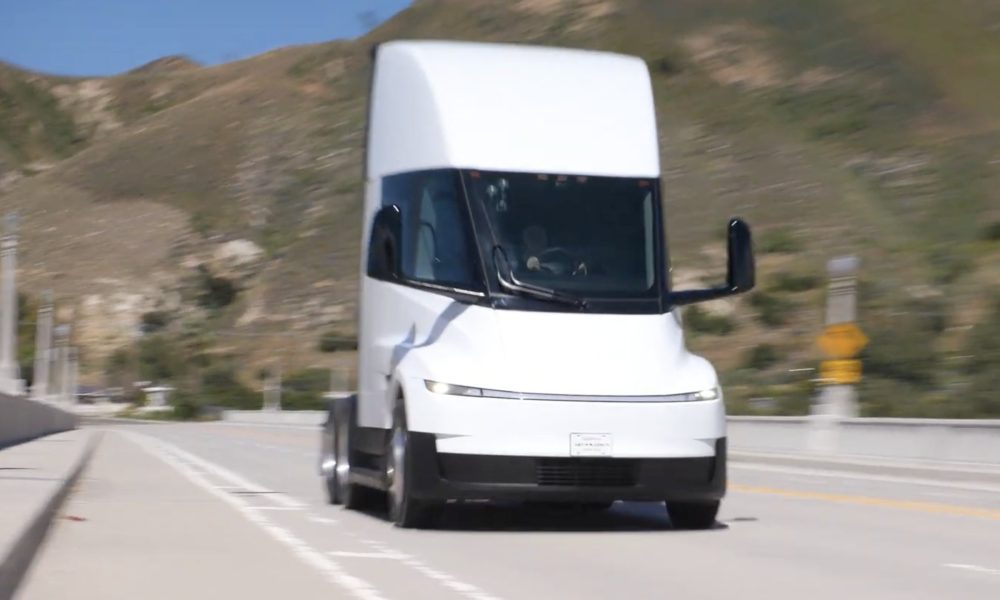
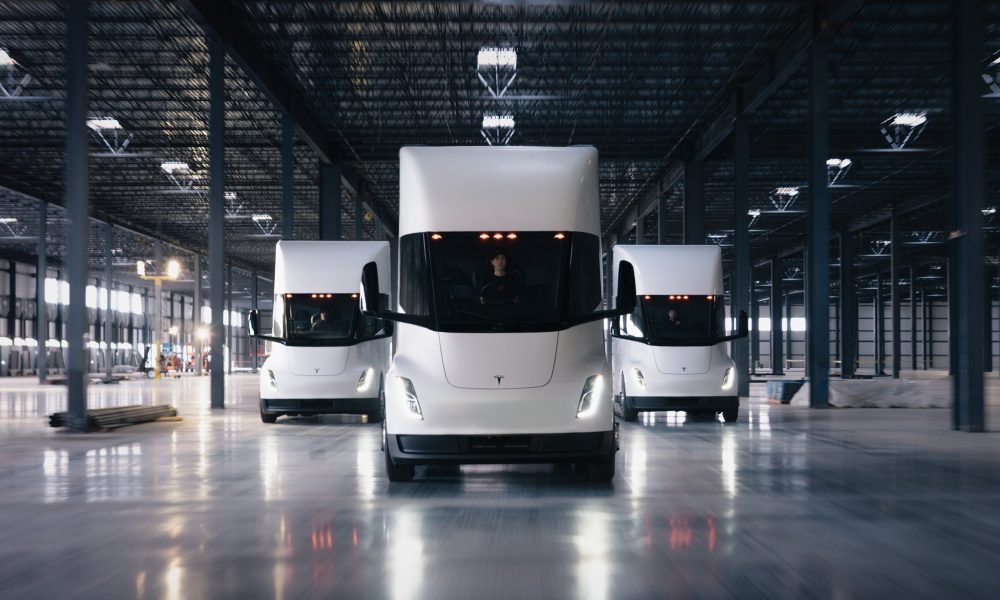
Amid these challenges, Tesla's own technology offers a powerful counter-argument for large-scale electrification. The Tesla Semi, now in early deployment with major fleets like PepsiCo, is demonstrating extraordinary operational savings. Early performance data indicates that these electric semi trucks can save operators up to $70,000 per year in fuel costs per truck. For a large fleet, this translates to millions in annual savings, proving that the most effective path to decarbonizing heavy transport—and improving a company's bottom line—is through electrification, not doubling down on fossil fuel infrastructure.
For Tesla owners and investors, these developments present a nuanced picture. The brand's association with Musk's other, more polluting ventures creates a reputational risk that could dilute the core mission. Financially, the evaporation of regulatory credit income underscores the imperative for Tesla to achieve consistent profitability through vehicle sales and software, a transition now in full swing. Yet, the proven success of the Tesla Semi provides a tangible, high-impact roadmap for the industries that contribute most to global emissions, reinforcing the long-term economic case for Tesla's technology. The coming years will test whether the company can navigate the turbulence caused by its CEO's other ambitions while fully capitalizing on the undeniable value of its own electric revolution.