Elon Musk has set a new target for the most significant software update to Tesla's Full Self-Driving (FSD) system in over a year. After a delay from its initial January or February window, the Tesla CEO announced that the highly anticipated FSD v12.4 is now slated for release by the end of May. This update is not just another incremental step; it is being billed as a foundational leap toward a more intelligent and capable autonomous driving system, directly addressing long-standing owner critiques.
The "Reasoning" Engine: A Leap Beyond Code
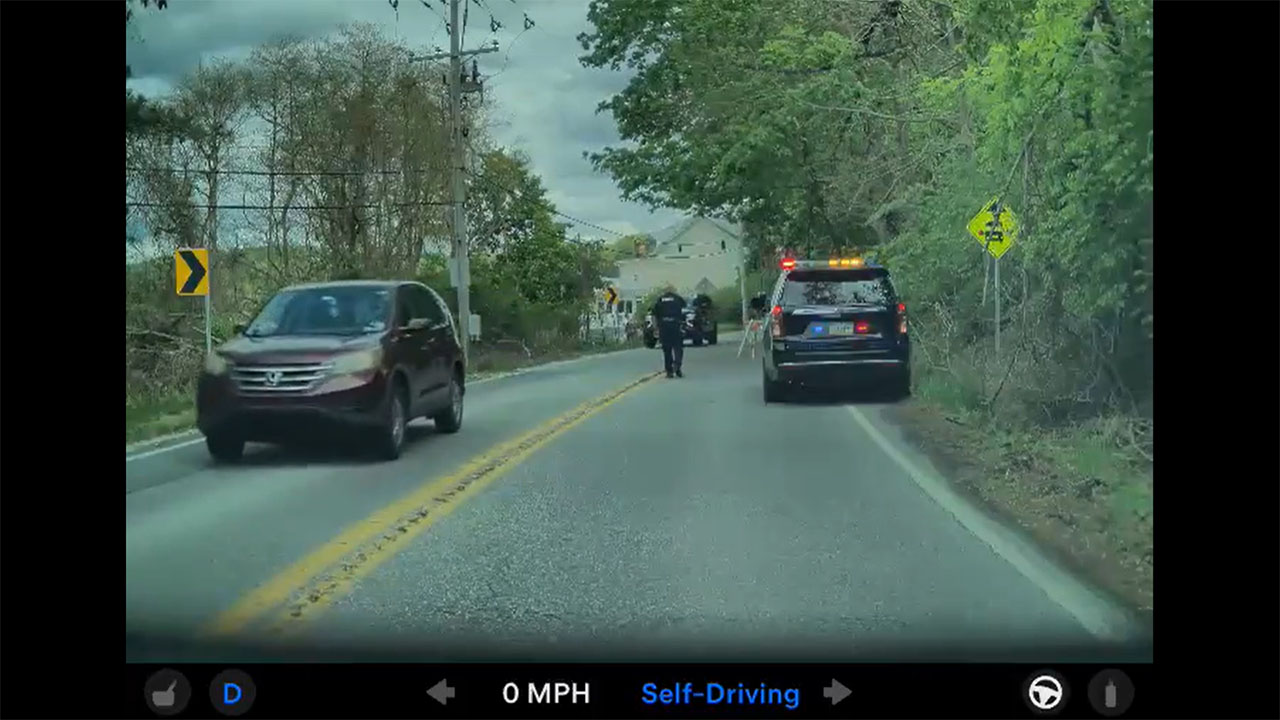
At the core of v12.4 is a fundamental architectural shift. While previous versions relied heavily on hard-coded logic, this update aims to inject what Musk describes as "reasoning and logic" into the neural network's decision-making process. In practice, this means the AI will better understand the intent of other road users, predict complex scenarios, and make more human-like judgments. This shift from procedural programming to an integrated "thinking" AI could resolve erratic behaviors that have plagued earlier iterations, such as unnecessary slowdowns or hesitant maneuvers in dynamic traffic.
Tackling the Navigation Quagmire
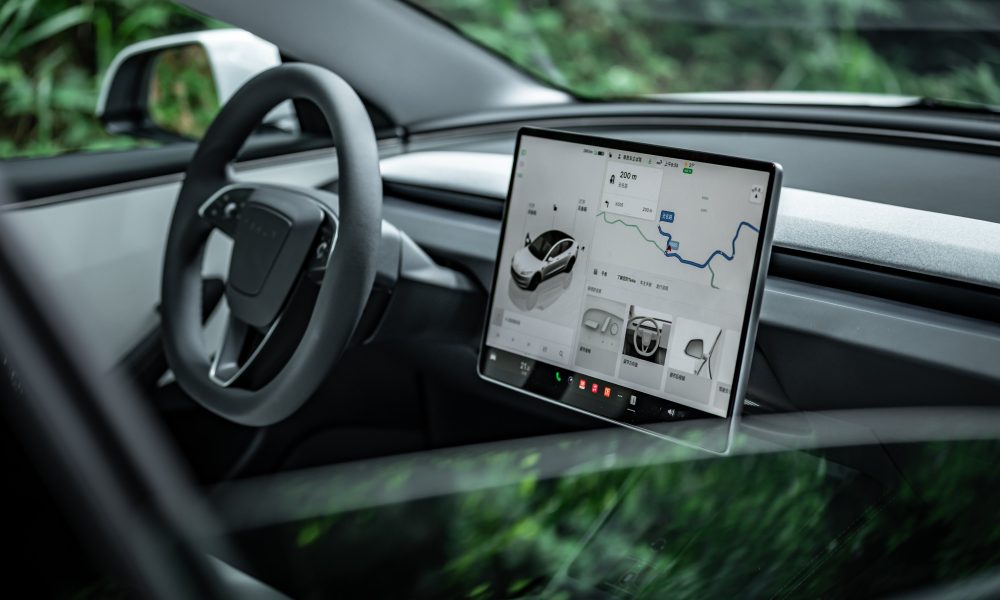
A primary beneficiary of this new reasoning capability is expected to be Tesla's in-car Navigation. For years, owners have reported issues with route selection, ill-timed lane changes, and confusing guidance prompts. By enhancing the AI's contextual awareness, v12.4 could dramatically smooth the driving experience. The system may better comprehend complex interchanges, select optimal lanes earlier, and adjust routes in real-time with a fluidity that feels less robotic. This addresses a major complaint and is critical for building driver confidence in the system's competence on every journey.
The push for v12.4 underscores Tesla's aggressive "end-to-end neural network" strategy, where camera input directly controls vehicle steering, braking, and acceleration. The delay from Q1 to late May suggests the complexity of training these new reasoning models. Success would validate Tesla's vision-only approach, proving that sophisticated AI can overcome the lack of traditional sensors like lidar. However, it also raises the stakes; a release that fails to meet the high expectations for smoother, more logical driving could intensify scrutiny from both regulators and a patient customer base.
For Tesla owners and investors, the implications are substantial. A successful v12.4 rollout would be a powerful selling point, potentially accelerating FSD subscription uptake and strengthening Tesla's lead in the AI-driven EV race. It could also positively impact the company's ongoing efforts to gain regulatory approval for more advanced autonomous features. Conversely, further delays or a bug-ridden release would fuel skepticism about timelines for true autonomy. All eyes will now be on the end of May, waiting to see if this "massive release" finally delivers the seamless self-driving experience Tesla has long promised.