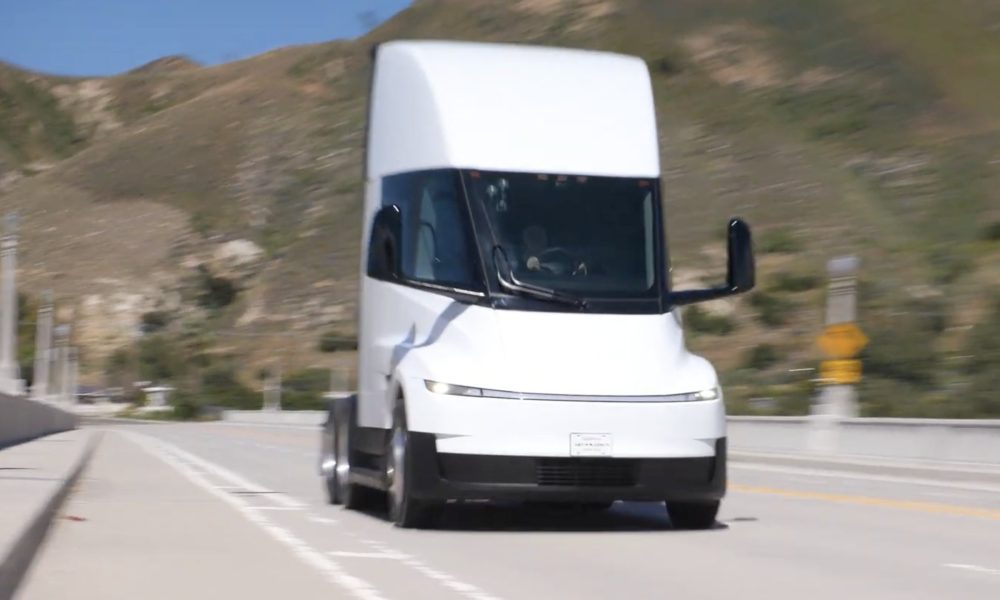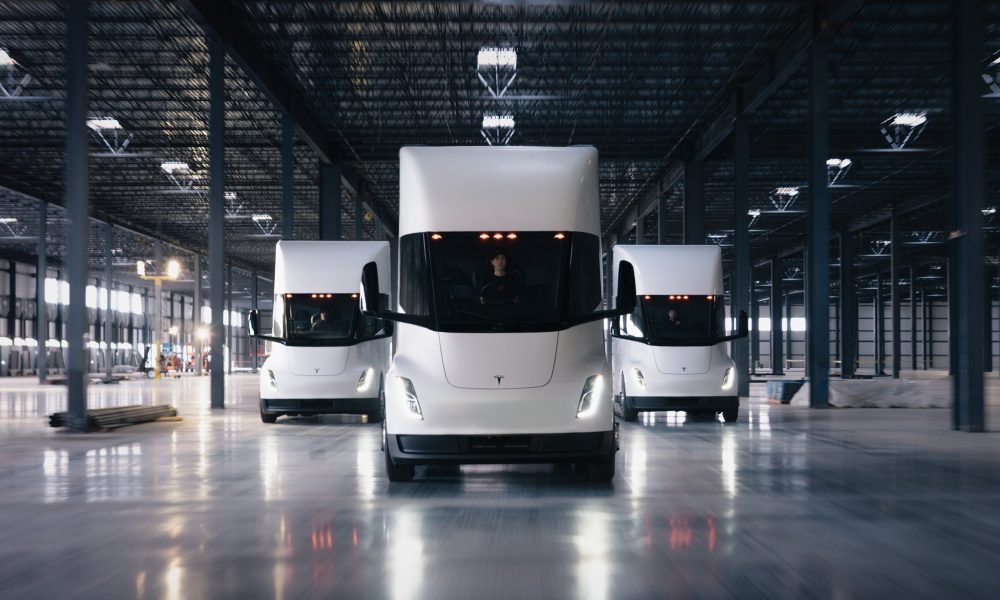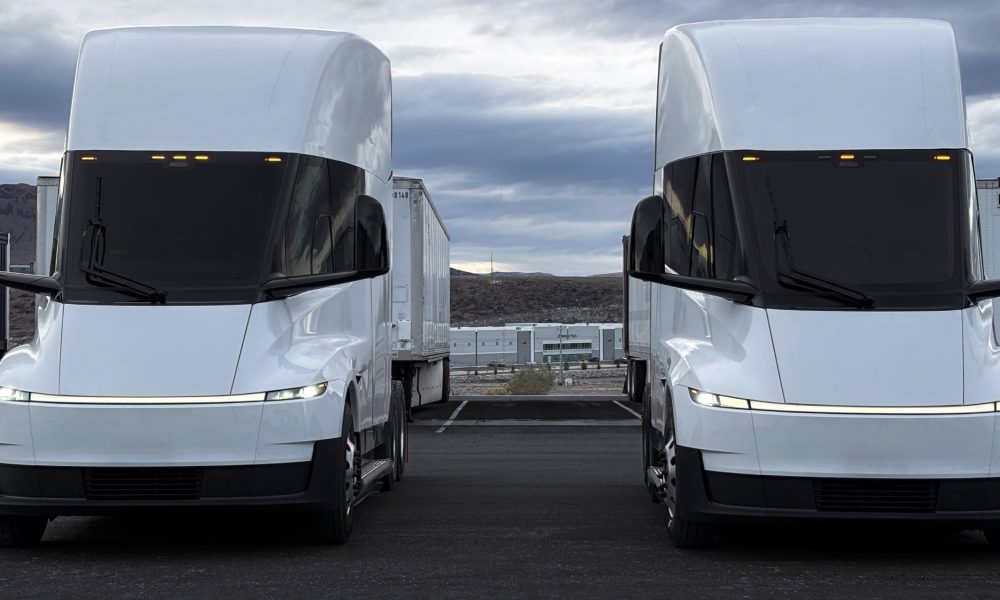
The long-awaited transatlantic voyage of Tesla's behemoth may finally be on the horizon. In a recent statement, CEO Elon Musk provided the clearest timeline yet for the Tesla Semi's European debut, signaling a pivotal shift in the continent's commercial transport sector. "We’ve got the Tesla Semi coming out, the heavy truck, and that’ll be going to Europe hopefully next year," Musk announced, setting the stage for a direct challenge to Europe's established diesel-dominated trucking industry.
A Strategic Entry into a Regulated Market
Europe presents a unique and ripe market for the Tesla Semi. The region is aggressively pushing for decarbonization, with stringent Euro 7 emissions standards looming and many cities implementing low-emission zones that penalize or ban diesel trucks. Tesla's zero-tailpipe-emission Semi offers a compelling solution for logistics firms facing these regulatory pressures. Furthermore, Europe's shorter average haul distances compared to the United States align well with current electric vehicle range capabilities, mitigating range anxiety for fleet operators.
Overcoming Infrastructure and Competition Hurdles
The successful rollout of the Tesla Semi in Europe is not without its challenges. The continent currently lacks a unified, high-power charging network for heavy-duty EVs. While Tesla's proprietary Megacharger technology is a key advantage, its widespread deployment will require significant investment and coordination. Additionally, Tesla will face stiff competition from entrenched European manufacturers like Mercedes-Benz, Volvo, and Daimler Truck, all of whom have already launched their own electric truck models and benefit from deep, existing relationships with European fleets.
Musk's use of the word "hopefully" is a telling qualifier, acknowledging these logistical and competitive hurdles. The timeline depends not only on production ramp-up at Tesla's Nevada factory but also on establishing a robust support ecosystem abroad. The company's ability to secure large-scale fleet orders from European partners will be a critical early indicator of market acceptance and a key driver for infrastructure investment.
For Tesla investors, a European Semi launch represents a major step in validating the truck as a significant new revenue stream beyond the consumer vehicle market. It demonstrates execution on a long-promised product and opens a vast, regulated market. For European fleet owners and operators, the impending arrival introduces a high-profile option for future-proofing their operations against emissions regulations, with the potential for lower total cost of ownership per mile. The race to electrify Europe's highways is about to welcome its most headline-grabbing contender yet.