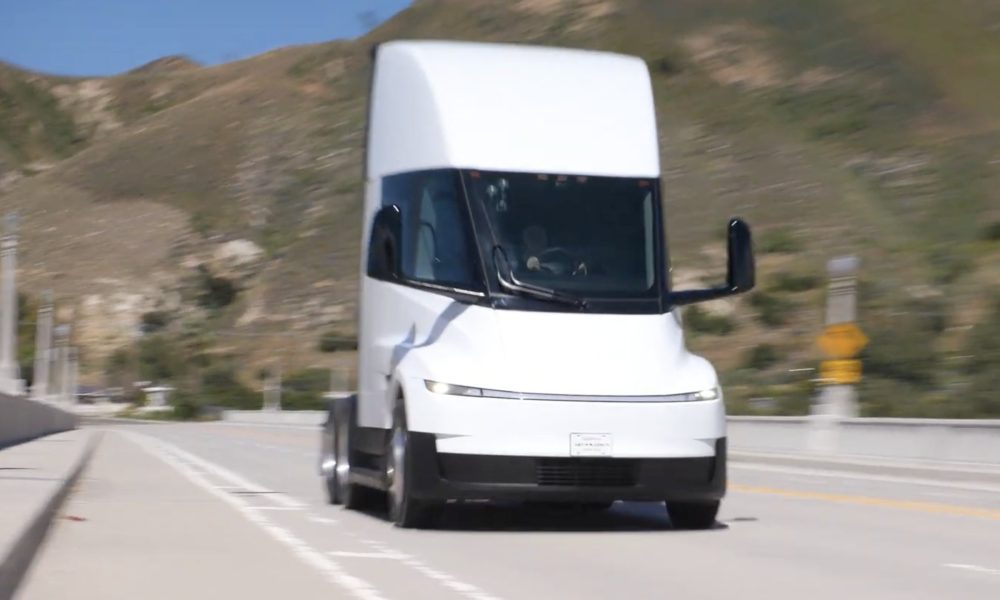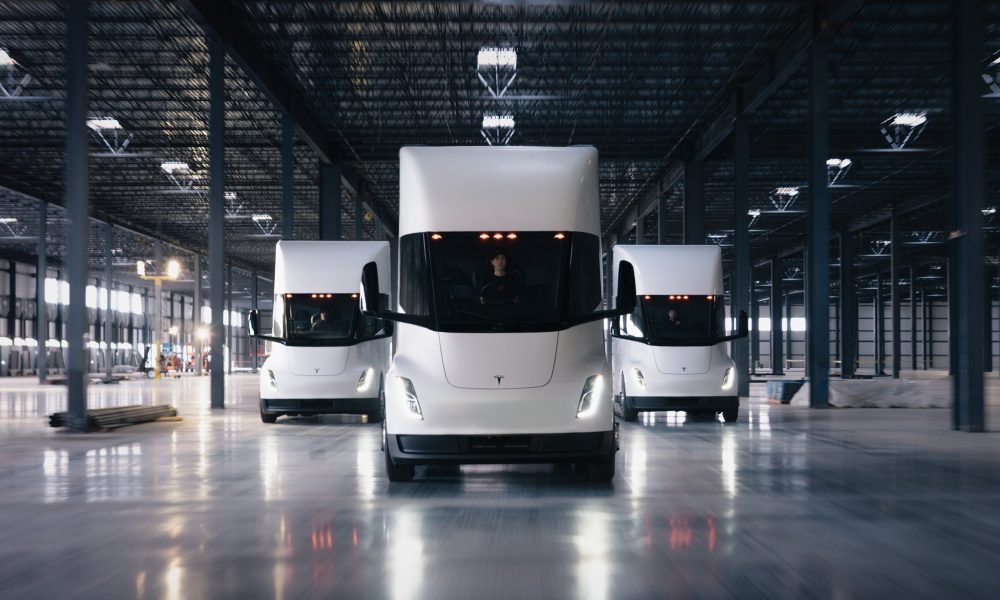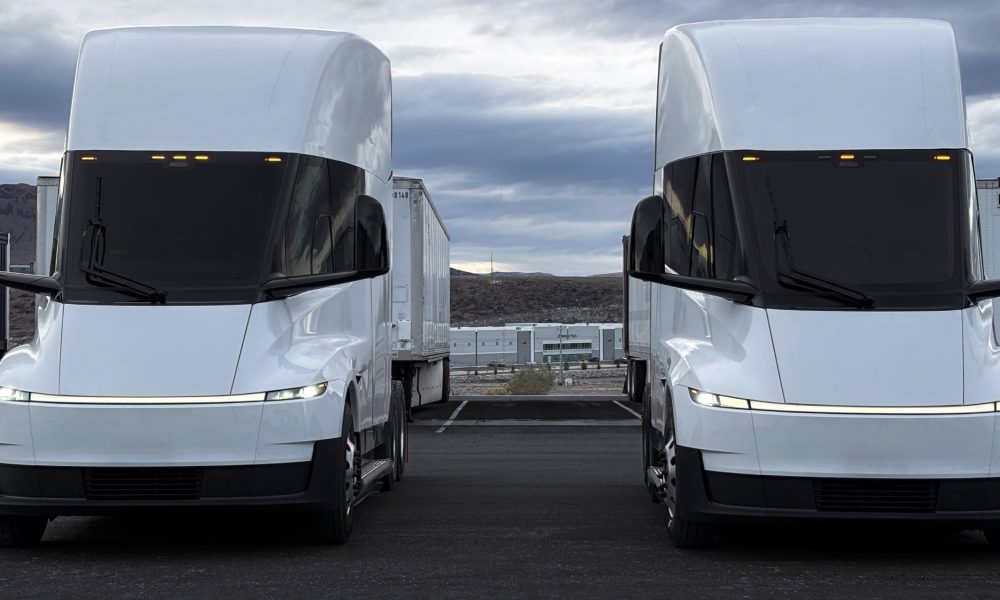
After years of anticipation and a limited rollout, the Tesla Semi is finally shifting into the fast lane. In a definitive social media post on X, CEO Elon Musk confirmed that the all-electric Class 8 truck will enter high-volume production in 2024, signaling a pivotal moment for the commercial transport industry and Tesla's ambitions to decarbonize freight.
From Pilot Programs to Production Lines
The announcement marks a critical transition from the current "pilot production" phase, where a small fleet of Semis has been rigorously tested by high-profile partners like PepsiCo and Frito-Lay. These real-world deployments have proven the vehicle's core value proposition: significant fuel savings, lower maintenance costs, and impressive performance. Musk's update confirms that Tesla's manufacturing apparatus, likely centered at its Nevada Gigafactory, is now being scaled to meet broader market demand. This move validates the electric vehicle platform's readiness and Tesla's confidence in its supply chain for critical components like the massive battery packs required for long-haul routes.
The Competitive and Logistical Road Ahead
Entering high-volume production catapults the Tesla Semi into a more direct competition with established truck manufacturers and emerging EV rivals. The commercial vehicle sector is notoriously demanding, with fleet operators requiring not just reliable trucks, but also robust charging infrastructure and compelling total cost of ownership figures. Tesla's parallel challenge will be rapidly deploying its Megacharger network along key freight corridors to support these new trucks. The company's ability to execute this dual-pronged strategy—building trucks and building their energy ecosystem—will be the true test of its long-haul vision.
For Tesla investors, the Semi's ramp-up represents a new and substantial revenue stream within the company's "Master Plan." While volumes will initially pale in comparison to the Model Y, the Semi targets a high-margin segment where the economic advantages of electrification are profoundly clear. Successful execution could open a dominant position in a vast market and further solidify Tesla's identity as more than a car company, but a comprehensive clean energy and transport solutions provider.
For fleet operators and prospective owners, the implications are equally significant. High-volume production means increased availability, potentially shorter wait times, and the acceleration of a competitive electric truck market. As more Semis hit the highway, the industry will gain even more data on real-world durability, total cost savings, and charging logistics, helping other businesses make the financial case for electrification. The era of the electric long-haul truck is no longer a prototype promise—it's gearing up for delivery.