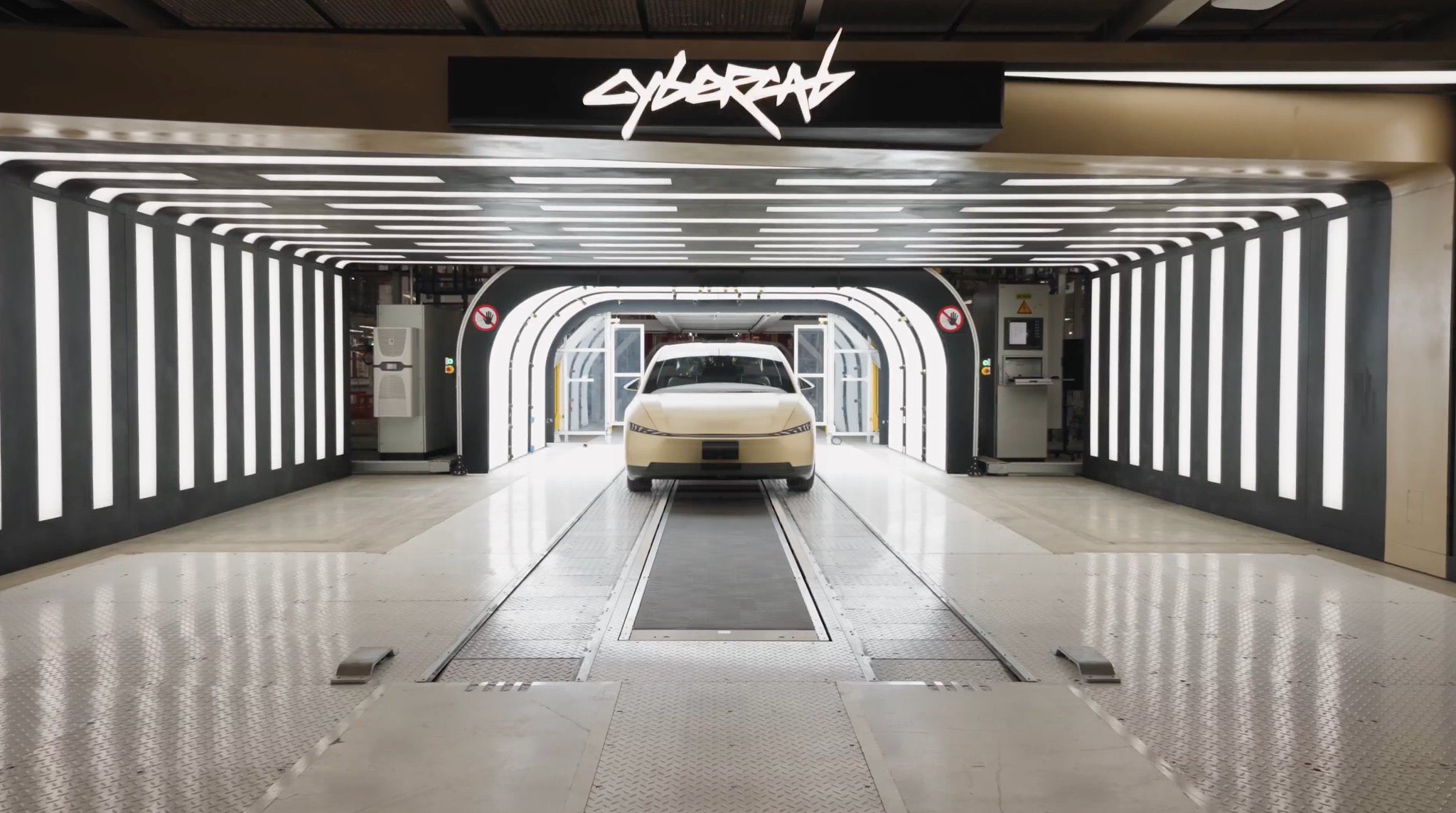
In a move set to redefine urban mobility and the economics of autonomous transportation, Tesla CEO Elon Musk has made a definitive and ambitious proclamation: the company's long-awaited Cybercab will begin customer deliveries for under $30,000 and will do so before the end of 2027. This announcement follows the landmark event of the first vehicle rolling off the production line at Giga Texas, signaling a transition from concept to concrete manufacturing reality. For Tesla, this isn't merely a new model launch; it is the opening gambit in its strategy to deploy a global fleet of robotaxis, a vision Musk has championed for nearly a decade.
From Prototype to Production: The Texas Milestone
The confirmation was bolstered by the tangible milestone of a production-intent Cybercab being built at Tesla's Austin facility. Unlike previous "concept" unveilings, this vehicle represents the design destined for the road—or more accurately, for a network. Musk emphasized the vehicle's core design philosophy: pure autonomy. The Cybercab will have no steering wheel and no pedals, a bold commitment to its intended function as a driverless taxi. This design eliminates redundancy and cost, directly enabling the aggressive sub-$30,000 price target. The manufacturing approach, likely leveraging learnings from the radical Cybertruck production, suggests Tesla is preparing for a scalable, high-volume output essential for a fleet service.
The Trillion-Dollar Bet on Full Self-Driving
The entire Cybercab proposition hinges on the performance and regulatory approval of Tesla's Full Self-Driving (FSD) software. The announced timeline implicitly forecasts that FSD will achieve a reliability and safety threshold deemed acceptable by authorities in key markets within the next three years. This is the company's most significant bet. Success would unlock what Musk has previously called a "trillion-dollar market cap" opportunity, transforming Tesla from a carmaker into a mobility-as-a-service behemoth. The revenue model would shift from one-time vehicle sales to continuous, high-margin income from every ride taken in a Cybercab, creating a powerful recurring revenue stream.
However, the path is fraught with immense challenges. Achieving consistent, geofenced-unrestricted "Level 4" or "Level 5" autonomy remains an unsolved problem industry-wide. Regulatory hurdles will vary dramatically by country and city, potentially slowing widespread deployment. Furthermore, Tesla must build and manage the complex logistics of a massive, maintained fleet—a stark departure from its current direct-to-consumer sales model. The 2027 deadline sets a clear, public benchmark against which Tesla's technological and operational execution will be rigorously judged.
Implications for Owners and Investors
For current Tesla owners, a functioning Cybercab network could dramatically increase the utility and value of their own vehicles equipped with FSD hardware, potentially allowing them to enroll their cars in a future robotaxi network for passive income. For investors, the announcement is a high-stakes reaffirmation of Tesla's long-term vision. Meeting the under-$30,000 and pre-2027 targets would be a monumental validation of its technology and manufacturing prowess, likely triggering a major revaluation of the company. Conversely, significant delays or technological shortfalls could damage credibility. The coming years will be a critical proving ground, determining whether the Cybercab becomes a transformative reality or a delayed ambition in the fiercely competitive race to autonomy.