The modern road trip is being redefined, not by the destination, but by the electrons that get you there. For Tesla owners, the journey is now intrinsically linked to the charging infrastructure that supports it, transforming travel planning into a strategic exercise in energy management. This shift is moving the electric vehicle charging station from a mere utility to a central amenity, influencing decisions from hotel bookings to daily itineraries and reshaping the hospitality and commercial real estate landscapes in the process.
The Charging Amenity: A New Hospitality Gold Standard
Gone are the days when a hotel's appeal was based solely on thread count and poolside service. Today, a dedicated Tesla Destination Charger or a bank of universal Level 2 EV charging stations is a powerful competitive advantage. Travelers actively seek out accommodations that offer convenient overnight charging, often willing to pay a premium for the certainty of a full "tank" by morning. This has created a new revenue stream and customer loyalty tool for forward-thinking businesses. The inclusion of charging—whether complimentary or as a billed service—is no longer a futuristic perk but an expected convenience for the growing EV-driving demographic, turning parking spots into premium real estate.
Beyond the Hotel: The Supercharger Ecosystem as a Travel Hub
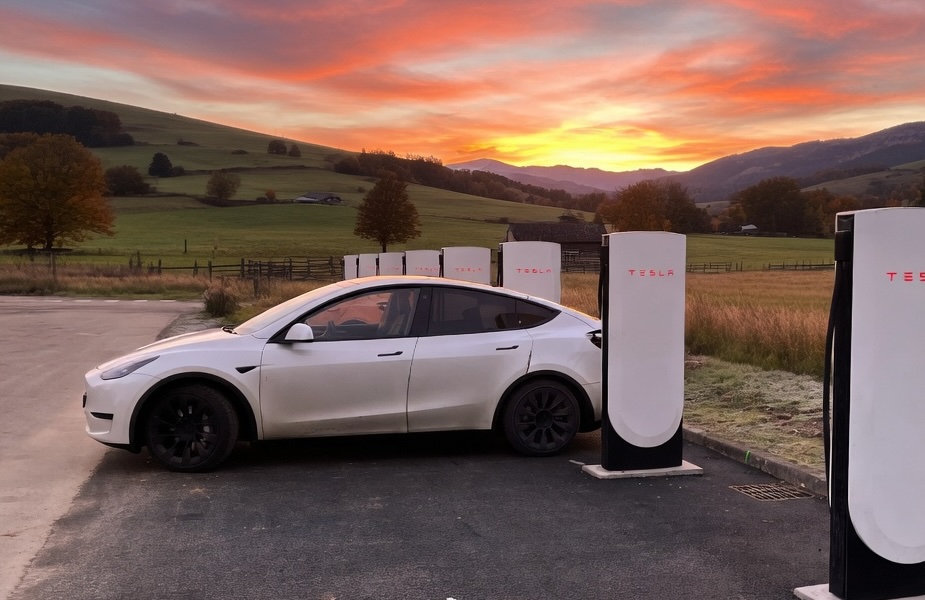
While destination charging caters to longer stops, Tesla's Supercharger network remains the backbone of long-distance EV travel. The location of these stations is critically analyzed by drivers planning routes. A Supercharger near dining options, rest areas, or shopping centers adds significant value to a journey, often determining rest breaks. Tesla has masterfully leveraged this, with many sites becoming inadvertent economic hubs. The company's continued expansion into urban Superchargers and V3/V4 stalls with faster charging speeds further reduces downtime, making electric road trips increasingly comparable to—and in some cases more relaxing than—their gasoline-powered counterparts.
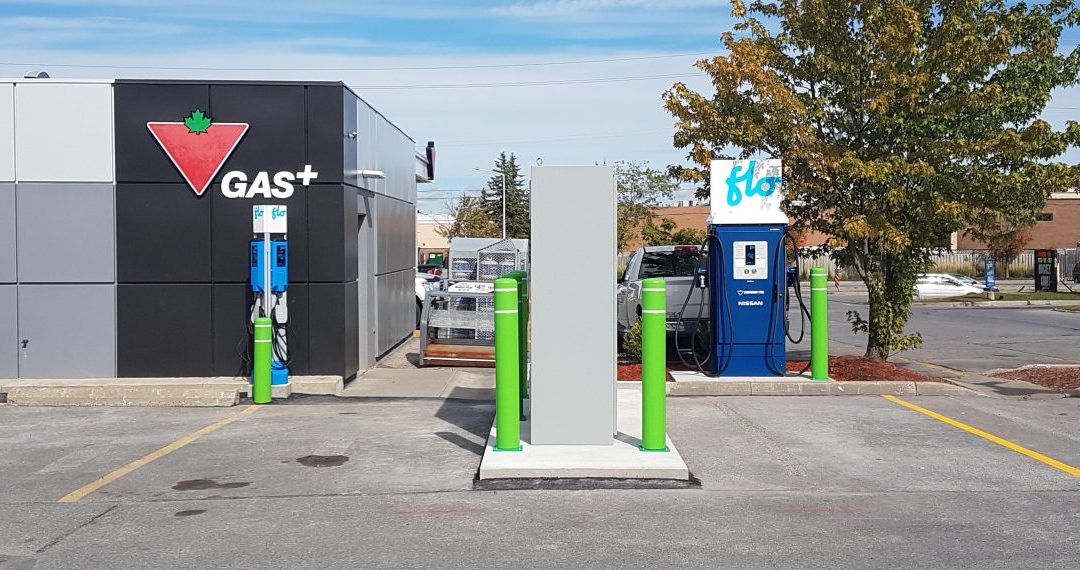
The broader public charging infrastructure, including networks like Electrify America and EVgo, also plays a crucial role, especially for Tesla drivers using a CCS adapter. The reliability, speed, and cost of these third-party stations are vital for filling gaps and providing redundancy. However, the seamless, integrated experience of the Tesla-native network often sets the standard that others are measured against, highlighting the importance of a reliable and user-centric charging ecosystem.
Implications for Tesla Owners and Investors
For Tesla owners, this evolving landscape means unprecedented travel freedom, but it requires a new planning mindset. Tools like the in-car trip planner are indispensable, and the value of a Tesla extends beyond the vehicle's performance to encompass the robustness of its supporting network. For Tesla investors, the strategic importance of the Supercharger network cannot be overstated. It is a massive, sustained competitive moat and a significant brand-lock tool that continues to drive vehicle sales. Furthermore, Tesla's move to open portions of its network to other EV brands transforms this cost center into a potential profit center, creating a new, recurring revenue stream from non-Tesla drivers. The company's focus on charging is not an accessory to its business; it is a fundamental pillar of its long-term dominance in the electric vehicle era.