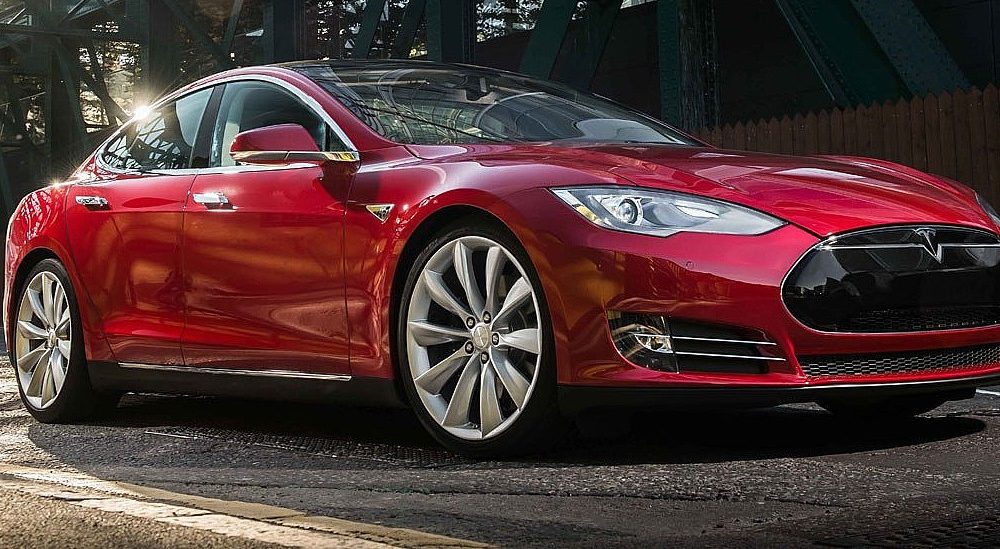
In the ever-evolving landscape of the automotive industry, few accolades carry the weight of being declared the most significant vehicle of a generation. This week, that monumental title was bestowed upon the Tesla Model S by one of the most influential voices in car culture. In a definitive new video, celebrated automotive reviewer and personality Doug DeMuro declared the Tesla Model S the "Most Important Car of the last 30 years," stating the choice was "not even a question." This pronouncement isn't merely subjective praise; it's a powerful validation of the electric vehicle's seismic impact on technology, consumer perception, and the entire global auto sector.
DeMuro's Verdict: A Catalyst for Industry-Wide Change
Doug DeMuro's analysis extends beyond the Model S's impressive acceleration or range figures. His argument centers on the car's role as an undeniable catalyst. Before the Model S, electric vehicles were largely perceived as compromised novelties—slow, short-ranged, and aesthetically unappealing. The Model S shattered that paradigm by being desirable first, and electric second. It proved that a battery-electric vehicle could outperform luxury sedans from established giants, offer groundbreaking technology like over-the-air updates, and command a premium price while creating fervent demand. DeMuro credits the car with forcing every major automaker to accelerate their EV programs, effectively creating the multi-trillion-dollar electric vehicle market we see today.
Beyond the Powertrain: Redefining the Car's Very DNA
The importance of the Model S lies not just in its propulsion but in its fundamental reimagining of the automobile as a software-centric platform. While competitors focused on incremental hardware improvements, Tesla introduced the concept of the car as a continuously improving asset. The introduction of the massive 17-inch touchscreen revolutionized cabin design and user interface, making traditional button-filled dashboards seem instantly archaic. Features like Autopilot advanced the public conversation around driver assistance, and over-the-air software updates introduced capabilities—from performance boosts to new entertainment features—years after purchase, a concept still foreign to most legacy automakers at the time.
This software-defined approach created a new benchmark for what consumers expect from a modern vehicle. It transformed the ownership experience from static to dynamic, setting a high bar for connectivity and innovation that the industry is still scrambling to meet. The Model S demonstrated that a car's value could appreciate functionally over time, challenging the very notion of automotive depreciation and ownership.
Implications for Tesla Owners and Investors
For current Tesla owners, DeMuro's declaration reinforces the historical significance of their vehicle, particularly for early Model S adopters. It underscores that they purchased more than just a car; they invested in the pivotal artifact of an automotive revolution. This cultural status may influence long-term collector value and solidifies the brand's pioneering legacy. For investors, the analysis is a potent reminder of Tesla's core competency: category-defining innovation. As competition intensifies, Tesla's ability to create new paradigms—as it did with the Model S—remains its ultimate moat. The challenge, and the opportunity, lies in replicating that "S-curve" impact with future platforms like the Cybertruck, the Robotaxi, and next-generation models, ensuring the company's evolution from a disruptive startup to a sustained innovation leader.