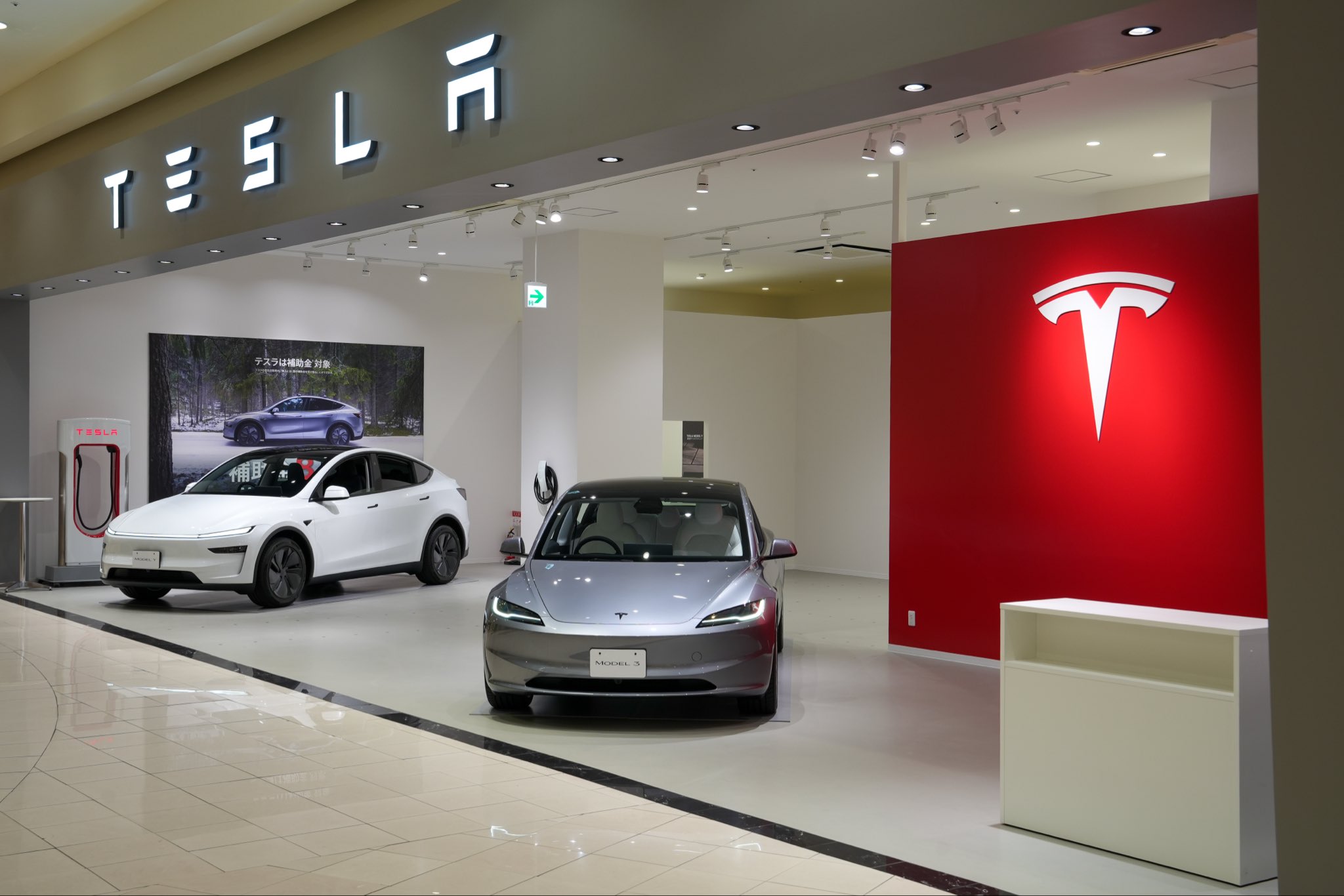
In the high-stakes race for the next generation of electric vehicle technology, bold claims are commonplace, but tangible proof remains elusive. This week, the industry witnessed a stark reminder of this principle as two separate developments—a startup's battery test and a high-profile departure from Tesla—highlighted the challenging gap between revolutionary promise and commercial reality. The events underscore a period of intense transition where the future of energy storage and solar integration is being fiercely contested.
The Donut Labs Test: A Solid-State Reality Check
Donut Labs, a relatively new entrant in the battery space, recently conducted a public test of its prototype solid-state battery cell. While the demonstration aimed to showcase durability—the cell reportedly survived being drilled into—it fell short of providing the comprehensive performance data the industry craves. Key metrics like energy density, cycle life, and, crucially, scalable manufacturing costs were not the focus. This highlights a core tension in the EV sector: extraordinary claims of 500-mile ranges and 10-minute charging require extraordinary evidence that extends far beyond a single durability stunt. For now, established lithium-ion technology, like that used by Tesla, continues to have a formidable lead in real-world deployment and affordability.
A Tesla Veteran's Exit and the Solar Equation
Adding to the week's narrative of transition is the departure of a senior Tesla battery engineer, a move that often sparks speculation about internal strategy or technological hurdles. While individual departures are common in a dynamic company, this one coincides with Tesla's renewed emphasis on integrating its energy storage and solar divisions more deeply with its automotive business. The true value of solar for Tesla owners and the grid is increasingly tied to sophisticated home battery systems like Powerwall, which store solar energy for use at night or during outages. This integration is becoming a critical pillar of Tesla's ecosystem, potentially more transformative in the near term than any unproven battery chemistry.
The convergence of these stories points to a broader industry inflection point. Tesla's strategy appears to be a pragmatic dual track: continuously refining its proven, mass-market lithium-ion technology for immediate gains in range and cost, while undoubtedly researching next-generation solid-state batteries in-house. The departure of an engineer could reflect a restructuring of these priorities or simply natural career progression. Meanwhile, startups like Donut Labs face the monumental task of moving from lab prototypes to production lines that can output millions of cells—a challenge that has consumed billions in funding with limited success to date.
For Tesla investors and owners, the implications are clear. The near-to-mid-term value proposition remains firmly anchored in Tesla's vertical integration, software prowess, and its growing energy ecosystem. Breakthroughs in solid-state batteries remain a distant horizon, unlikely to impact vehicle offerings for many years. The more immediate developments to watch are incremental improvements in Tesla's existing battery packs, expansions of its Supercharger network, and the growing synergy between its electric vehicles, solar roofs, and Megapack grid storage. In this climate, proven execution and a holistic product suite may prove more valuable than the most spectacular laboratory demo.