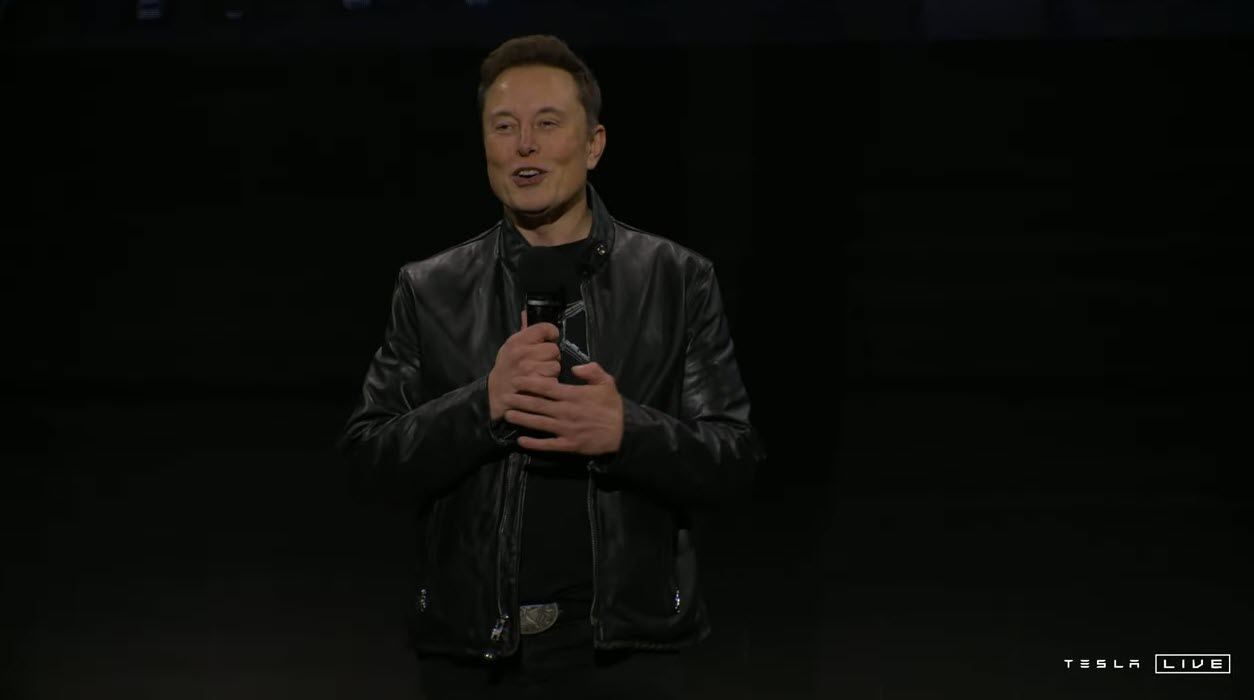
In a decisive move that cuts through the post-Battery Day noise, Deutsche Bank has issued a powerful vote of confidence in Tesla's long-term strategy. The firm's analysts have upgraded Tesla's stock rating from Hold to Buy and significantly raised their 12-month price target by 25% to $500, up from $400. This bold adjustment signals a belief that Wall Street is only beginning to grasp the profound manufacturing and cost advantages Tesla unveiled, advantages that many retail investors may have initially overlooked.
Decoding the Battery Day Vision
Deutsche Bank's upgrade stems from a deeper analysis of Tesla's technological roadmap presented at Battery Day. While the event lacked immediate, splashy product reveals, analysts focused on the core promise: a radical reduction in battery cost and complexity. The firm's research suggests Tesla's integrated plans for cell design, anode and cathode materials, and cell-to-vehicle manufacturing could slash battery costs by over 50%. This isn't just an incremental improvement; it's the key to making electric vehicles price-competitive with internal combustion cars while dramatically boosting Tesla's industry-leading margins.
A Shift in Wall Street Sentiment
This upgrade represents a pivotal moment in institutional perception. For months, Tesla's valuation has been a point of contention, with debates often centered on near-term delivery numbers. Deutsche Bank's report shifts the narrative to long-term fundamentals and manufacturing prowess. By focusing on the cost-per-kilowatt-hour—the true heartbeat of the EV industry—the analysts are validating CEO Elon Musk's assertion that the real products were the manufacturing processes themselves. This analytical lens acknowledges that Tesla's ultimate moat isn't just its software or brand, but its ability to produce affordable, high-performance batteries at an unprecedented scale.
The implications of achieving these cost targets extend far beyond the automotive sector. A sub-$25,000 Tesla vehicle becomes not just plausible, but probable, potentially unlocking a massive new segment of the global auto market. Furthermore, drastically cheaper batteries solidify Tesla's energy storage business as a major growth pillar, as renewable energy solutions become more economically compelling. Deutsche Bank's analysis effectively frames Tesla not as a car company, but as a vertically integrated sustainable energy and technology firm with a clear path to dominating its core input cost.
For Tesla owners and investors, this analysis provides a crucial framework for evaluating the company's future. Owners can expect the value proposition of their vehicles to strengthen as lower battery costs accelerate the adoption of charging infrastructure and improve resale values through sustained demand. For investors, the $500 price target underscores a period of heightened execution risk but monumental potential reward. The coming years will be about Tesla translating its Battery Day blueprints into production reality, a feat that would not only justify but potentially exceed this new valuation, reshaping the entire transportation and energy landscape in the process.