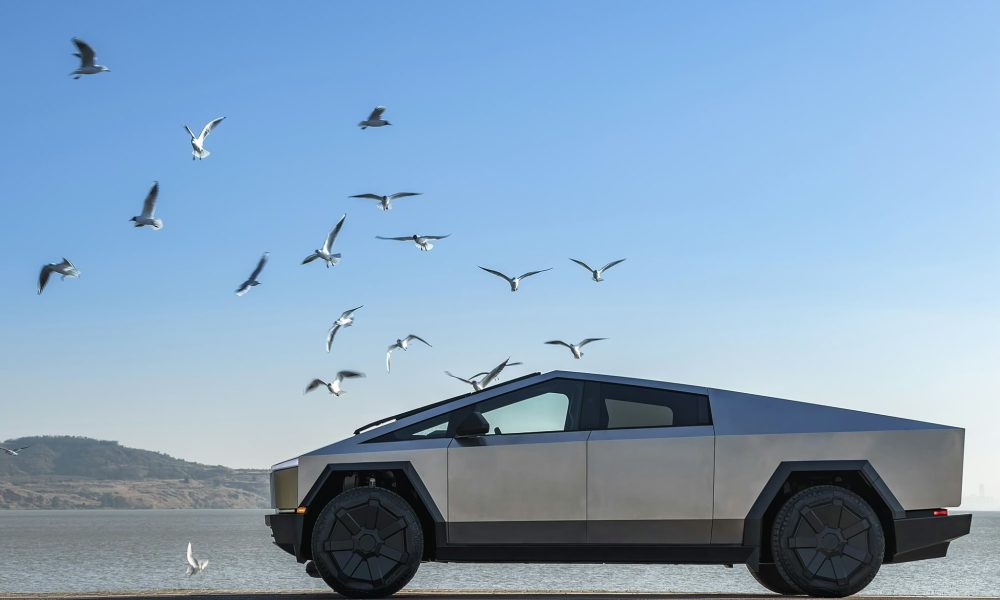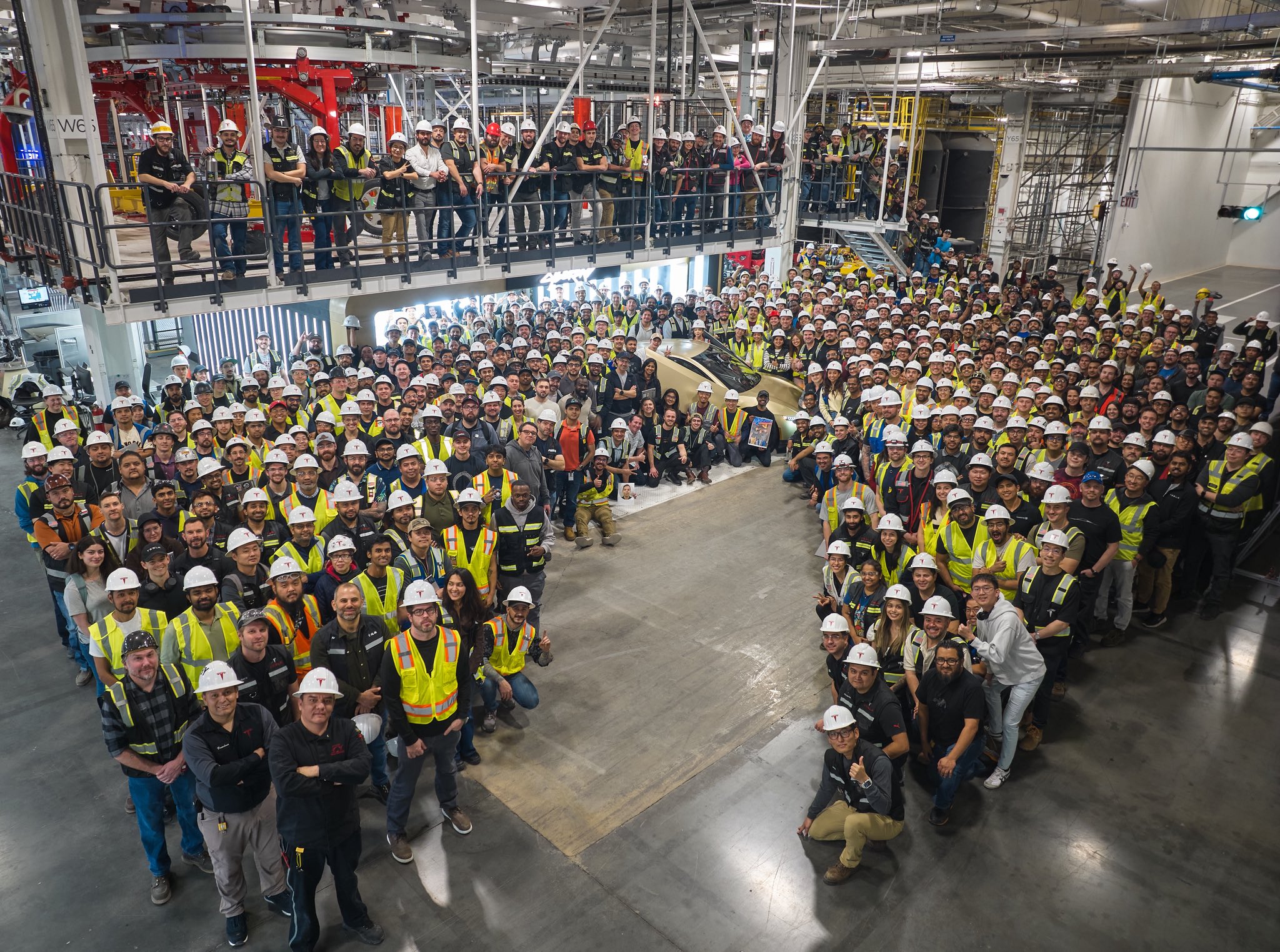
A single image has sent shockwaves through the automotive and tech industries. Tesla has officially released the first photograph of a Cybercab rolling off the assembly line at its Giga Texas facility. This is not a concept car on a turntable or a prototype in a secured lab; it is a production-intent vehicle built on the factory floor, signaling that Tesla's long-promised autonomous future is transitioning from vision to tangible reality. The era of the robotaxi is no longer a speculative venture—it has begun manufacturing.
From Vision to Validation: The Production Milestone
The significance of this moment cannot be overstated. For years, Tesla's Full Self-Driving (FSD) software and the dedicated robotaxi platform have existed as parallel promises. This photograph validates the hardware side of the equation. The vehicle, bearing the unmistakable angular and futuristic design language of the Cybertruck but in a smaller, purpose-built form factor, represents Tesla's bet on a new business model. Moving from engineering validation to production tooling is the most capital-intensive and risky step, and Tesla has now publicly committed to it. This move puts immense pressure on competitors and validates CEO Elon Musk's relentless focus on vertical integration and manufacturing prowess as the key to scaling autonomy.
The 2026 Horizon and the Scaling Challenge
Tesla has set an ambitious internal target for mass production of the Cybercab to begin by April 2026. This timeline sets a clear countdown for the company's engineering, software, and regulatory teams. The next two years will be focused on refining the vehicle, achieving regulatory approvals for truly driverless operation, and proving the reliability and safety of the FSD system at a level acceptable to the public and authorities. The scaling challenge is twofold: manufacturing millions of these specialized electric vehicles (EVs) and deploying the vast, resilient neural network and computing infrastructure needed to support a global fleet. Tesla's advantage lies in its ability to use its existing millions of customer-owned vehicles as a continuous data-learning fleet to train the AI that will power the dedicated Cybercabs.
For the EV market at large, the Cybercab's arrival heralds a fundamental shift. The focus expands from simply displacing internal combustion engines to redefining urban mobility economics. It introduces a new vehicle class designed purely for service, not ownership, which could eventually impact overall consumer vehicle demand patterns. This positions Tesla not just as a car company, but as a vertically integrated mobility service provider, competing directly with Uber, Lyft, and traditional taxi fleets on a technological playing field it has spent over a decade constructing.
For Tesla owners and investors, the implications are profound. Owners of vehicles with Hardware 3 and above may see the value of their asset increase through potential integration into a future Tesla Robotaxi network, as previously suggested by Musk. For investors, the Cybercab marks the opening of Tesla's "second major growth wave," moving beyond personal transportation into a high-margin, recurring revenue business. However, the path is fraught with execution risk—regulatory hurdles, technological perfection, and public acceptance remain significant barriers. The photograph from Giga Texas is a powerful statement of intent, proving Tesla is building the hardware. The world now watches to see if the software and the legal framework can catch up in time for the 2026 mass production deadline.