In a move that could reshape the global automotive user experience, China—the world's largest electric vehicle market—is poised to mandate a return to physical controls for essential vehicle functions. A draft regulation from the Ministry of Industry and Information Technology (MIIT) targets key systems like turn signals, hazard lights, wipers, and defoggers, requiring them to have dedicated physical buttons, knobs, or stalks by 2027. This directive presents a direct challenge to the minimalist, screen-centric design philosophy pioneered by Tesla and adopted by many EV startups, forcing a strategic pivot for automakers selling in this critical market.
A Regulatory Pushback Against "All-Screen" Interiors
The MIIT's draft guidelines argue that physical controls enhance safety and accessibility, reducing driver distraction and cognitive load by allowing for muscle-memory operation without taking eyes off the road. This stance reflects growing global concern over the potential hazards of deeply layered touchscreen menus for basic functions. While many legacy automakers still incorporate numerous buttons, the regulation is a clear signal to companies that have followed Tesla's lead in consolidating controls into central displays. For these brands, compliance will necessitate a redesign of steering columns, center consoles, and software interfaces, potentially adding complexity and cost to vehicles destined for China.
Immediate Implications for Tesla's Chinese Strategy
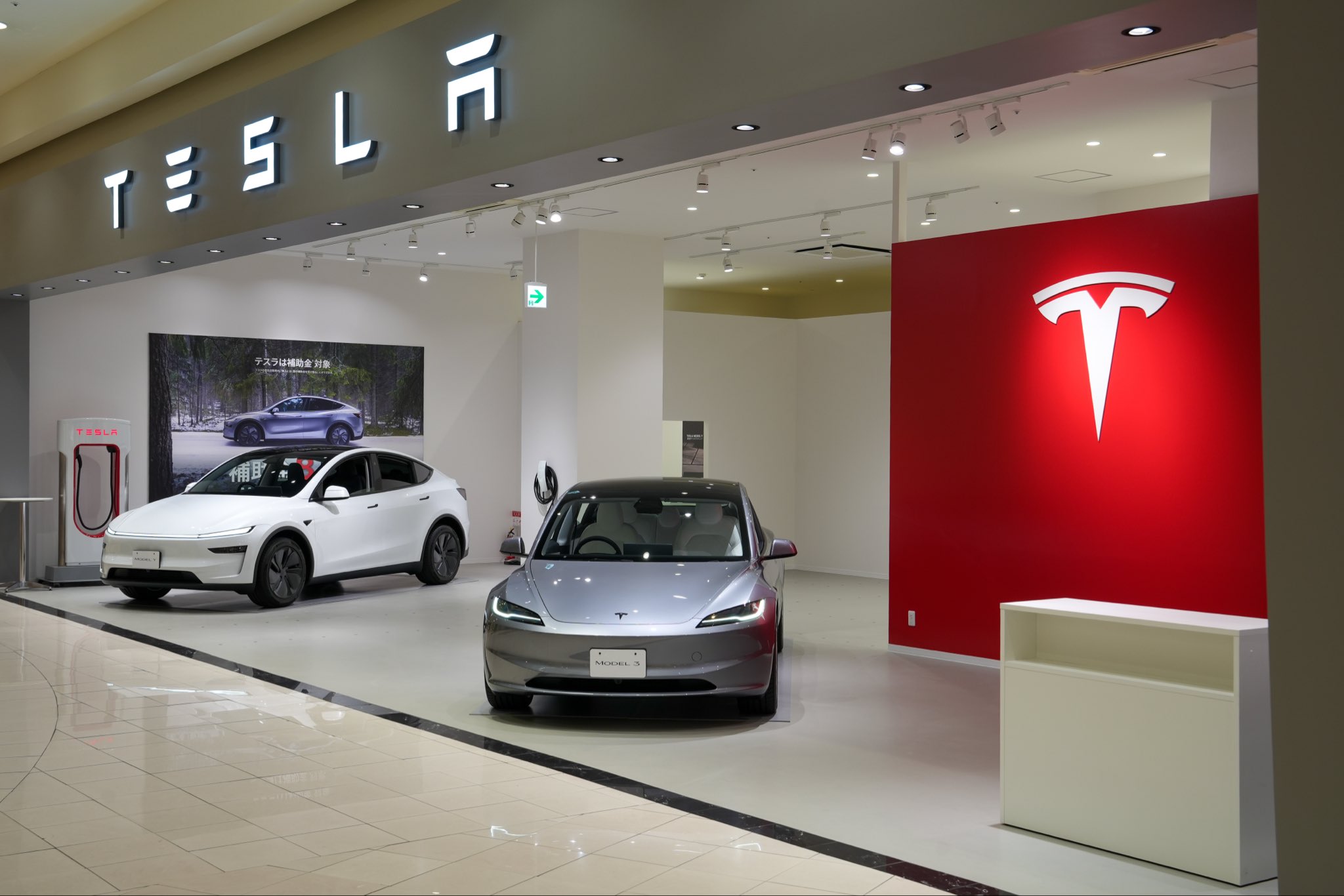
The impact on Tesla is particularly acute. The company's recent models, like the refreshed Model 3 and Model S, have famously eliminated traditional stalks for gear selection and turn signals, moving those functions to the steering wheel buttons or the central touchscreen. To continue selling these vehicles in China post-2027, Tesla would likely need to develop a market-specific version with the required physical controls—a significant engineering and supply chain undertaking. Alternatively, Tesla could lobby for exemptions or argue its haptic feedback steering buttons qualify as "physical," but the spirit of the rule suggests a preference for conventional, tactile interfaces.
This regulation also alters the competitive landscape in China. Domestic EV makers like NIO and XPeng, which have also embraced clean interior designs, face the same redesign challenge. However, it may provide a relative advantage to more conservative brands or those with hybrid interface approaches. The mandate could stifle some design innovation but aims to standardize a baseline of intuitive operation that Chinese regulators deem non-negotiable for road safety.
Broader Ramifications for Global EV Design
While the rule currently applies only to vehicles sold in China, its influence is expected to ripple outward. As the dominant EV market, China's standards often inform global manufacturing decisions; building unique interiors for one region is inefficient. Automakers may decide to preemptively incorporate these physical controls into global platforms, potentially slowing the industry-wide shift to fully digitized cabins. This creates a fascinating tension: will the global market bifurcate, or will China's safety-first pragmatism redefine the "futuristic" car interior?
For Tesla owners and investors, this development introduces a new layer of regulatory risk in a key market. It may pressure margins if China-specific parts are required, and it challenges Tesla's core design identity. Investors will watch closely to see if Elon Musk's company adapts quietly or turns the debate into a public clash over safety innovation. For owners globally, it raises questions about whether future Tesla models will diverge by region or if a global design compromise is imminent. Ultimately, China's move underscores that the evolution of the car interior is far from settled, with safety regulators now firmly entering the debate over screens versus buttons.