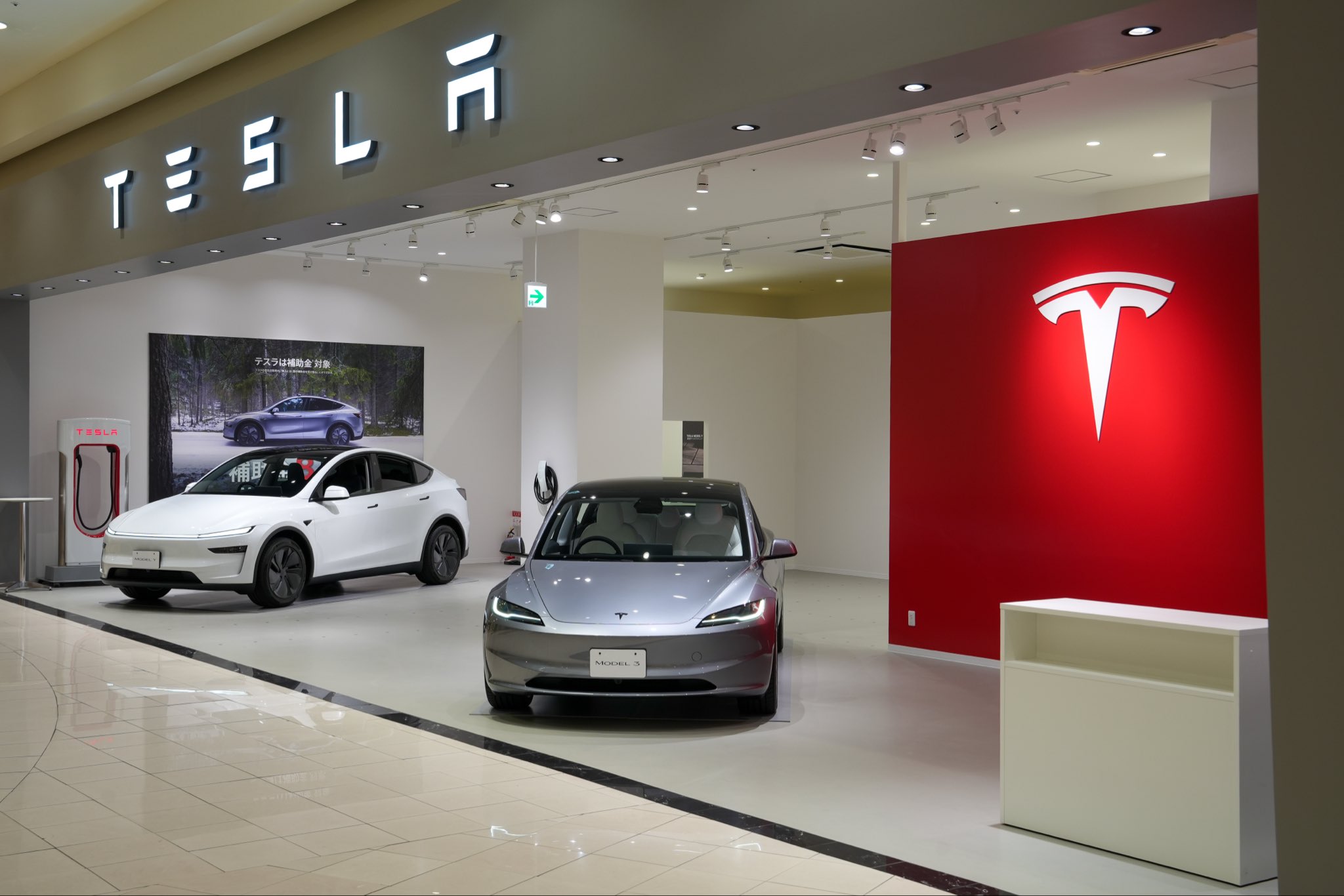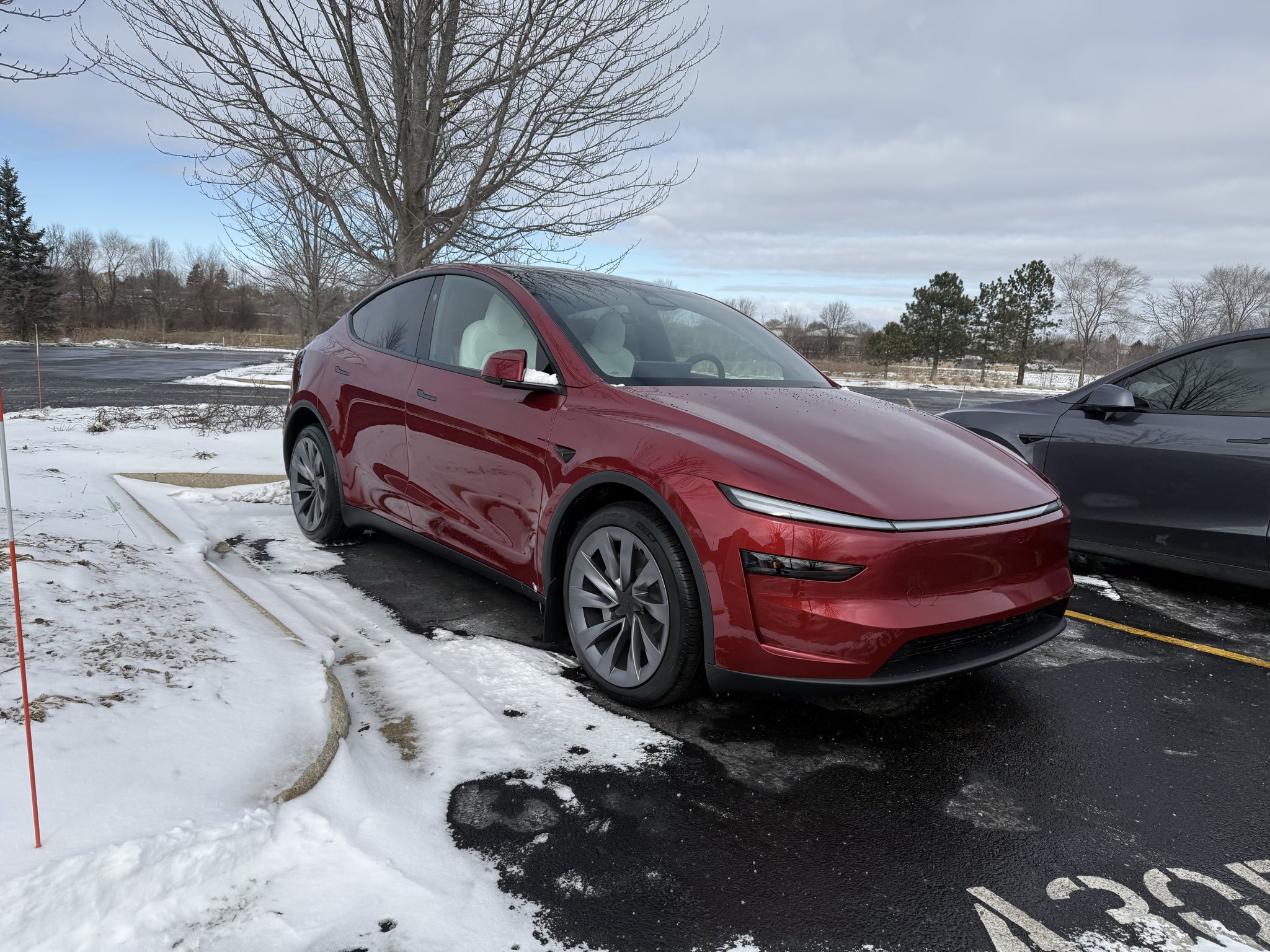
The used Tesla market is experiencing an unprecedented boom in 2026, with a flood of 2020-2022 models hitting dealerships and private listings at compelling price points. For many, this represents the golden ticket to EV ownership, finally placing premium electric vehicles like the Model 3 and Model Y within reach. However, navigating this burgeoning second-hand landscape requires a new kind of buyer's vigilance. The traditional used-car checklist falls short; purchasing a pre-owned Tesla is a unique proposition fraught with modern, tech-centric pitfalls that can turn a dream deal into a costly headache.
The Battery Health Blind Spot
The most critical component in any used EV is its battery, and Tesla is no exception. While the car may display a range estimate, this is not a definitive measure of battery degradation. A 2024 Model 3 Long Range showing 320 miles of range might seem fine, but without a proper diagnostic, hidden issues like cell imbalance or previous Supercharging habits are invisible. Prospective buyers must insist on seeing the true battery health percentage from the service menu or obtain a third-party diagnostic report. A degradation below 70% on a car with under 100,000 miles is a major red flag, potentially signaling thousands in future replacement costs.
The "Feature Stripping" Phenomenon
Tesla's ability to add and remove features via software creates a unique used-car hazard: feature stripping. A vehicle originally sold with Enhanced Autopilot or Full Self-Driving (FSD) capability may no longer have those features if the previous owner transferred the software license to their new car. Conversely, a subscription-based feature like Premium Connectivity will expire, reverting to basic functionality. Crucially, some early models sold with the "Tesla Vision" system lack ultrasonic sensors, affecting parking assist performance. Verifying exactly which software features are permanently included with the Vehicle Identification Number (VIN) is a non-negotiable step.
Warranty and Service Access in the Modern Era
Tesla's evolving warranty structure demands careful scrutiny. The basic 4-year/50,000-mile new vehicle warranty is likely expired on these models, leaving only the 8-year battery and drive unit warranty, which has specific mileage caps (e.g., 100,000 or 120,000 miles) and does not cover everything. Furthermore, with Tesla's continued shift towards prioritizing its own service network and parts, independent repair options for complex issues remain limited. Buyers should confirm the remaining warranty period through Tesla directly and research the availability of certified independent shops in their area, as wait times for official service appointments can be lengthy.
For Tesla owners and investors, this market shift is a double-edged sword. Strong residual values have been a hallmark of the brand, but the influx of affordable used models accelerates adoption and familiarizes a broader audience with Tesla's technology, potentially fueling future new sales. For investors, it underscores the growing importance of Tesla's service and parts revenue stream as the fleet ages. For new used Tesla owners, due diligence on battery health, software features, and repair logistics is not just recommended—it's essential for protecting their investment in the evolving second-hand EV ecosystem.