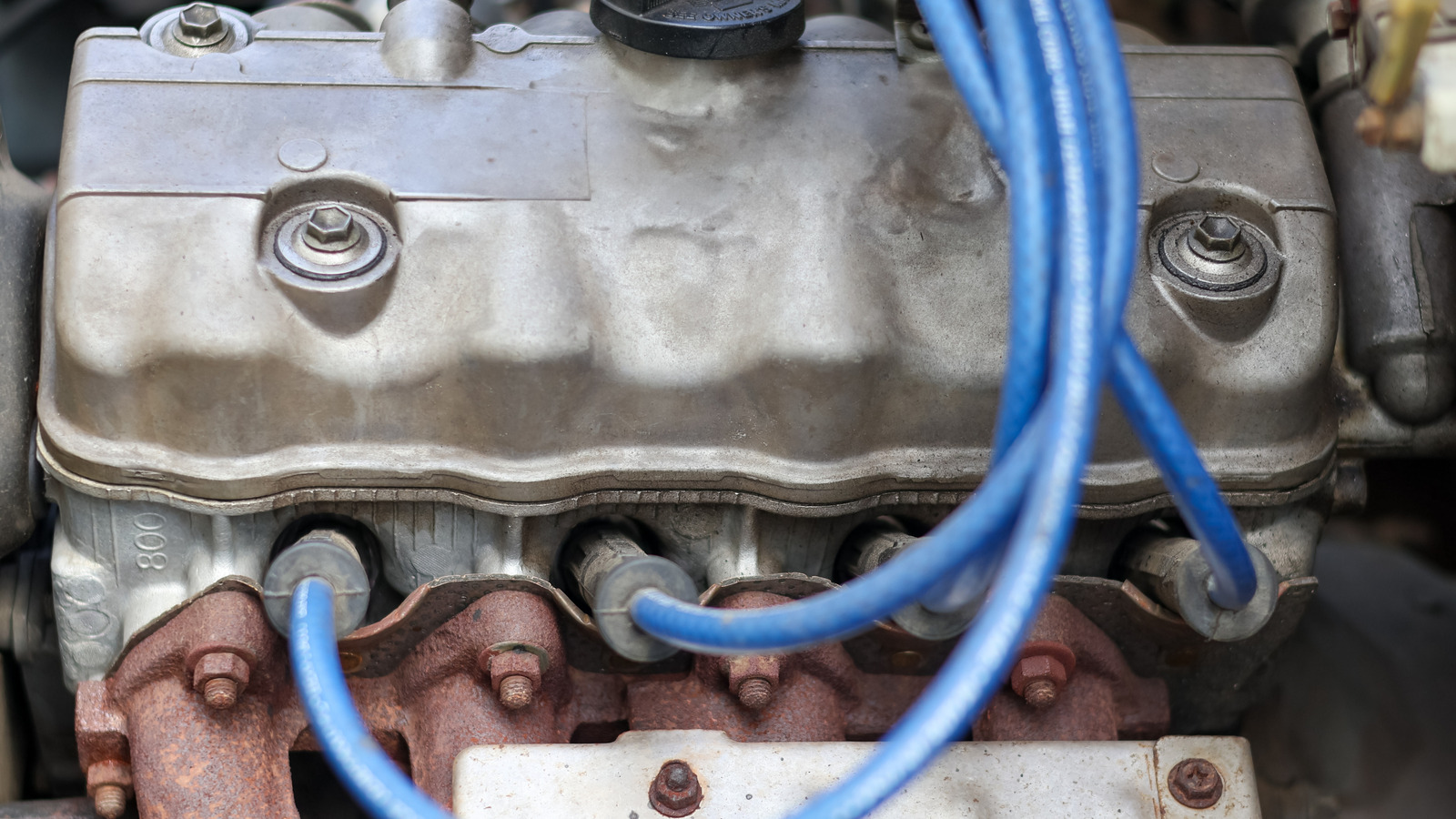
In the world of internal combustion engine maintenance, the question of universal parts is a constant. While seasoned gearheads know the precise specifications needed for spark plugs, a more subtle query often arises in forums and garages: are spark plug wires universal? For the millions of drivers and investors backing the electric vehicle revolution, this question isn't just academic—it highlights a fundamental shift in automotive engineering that companies like Tesla have pioneered. The answer underscores a key advantage of the EV paradigm: the elimination of an entire category of complex, failure-prone components.
The Combustion Engine's Conductor: A Tale of Specificity
For traditional vehicles, spark plug wires are decidedly not universal. They are highly specific components engineered to carry a precise high-voltage charge from the distributor or ignition coil to the spark plug at a exact moment. Their length, internal resistance, boot design, and terminal type are all critical variables. Using incorrect wires can lead to misfires, poor engine performance, increased emissions, and even interference with onboard electronics. The meticulous tracking of these components by enthusiasts is a necessary ritual, a reminder of the intricate mechanical symphony required to ignite fuel and produce motion.
The Tesla Paradigm: Deleting the Ignition Sequence
This entire complexity is rendered obsolete in a Tesla or any pure electric vehicle. There are no spark plugs, fuel injectors, or ignition coils. Propulsion comes from electromagnetic forces, not controlled explosions. The power delivery from the battery pack to the stator in the electric motor is managed by sophisticated power electronics and software. This fundamental difference means Tesla owners will never shop for spark plug wires, time a tune-up, or experience an ignition-related breakdown. The vehicle's "spark," so to speak, is the instantaneous and precise flow of electrons, managed by Tesla's proprietary drive inverter.
The implications of this design philosophy extend far beyond simple reliability. By removing hundreds of moving and wear-prone parts, Tesla engineers have built a platform with drastically reduced long-term maintenance needs. The cognitive load for the owner is lowered, and the total cost of ownership is reshaped. This simplicity is a core tenet of the EV value proposition, allowing over-the-air software updates to enhance performance instead of physical wrenching to maintain it. The question of universal parts fades, replaced by a focus on battery health and software iterations.
For Tesla investors and owners, this technical distinction is a tangible representation of the company's disruptive edge. It translates to stronger customer satisfaction through reduced service visits, a powerful marketing message centered on simplicity and reliability, and a fundamentally different—and arguably more scalable—relationship between the driver and the machine. While the aftermarket industry for internal combustion parts navigates a vast sea of SKUs and compatibilities, Tesla's vision is one of integrated, software-defined systems where traditional wear items simply don't exist. The next time you hear a discussion about spark plug wires, let it serve as a reminder of the complex past that electric vehicles are steadily leaving behind.