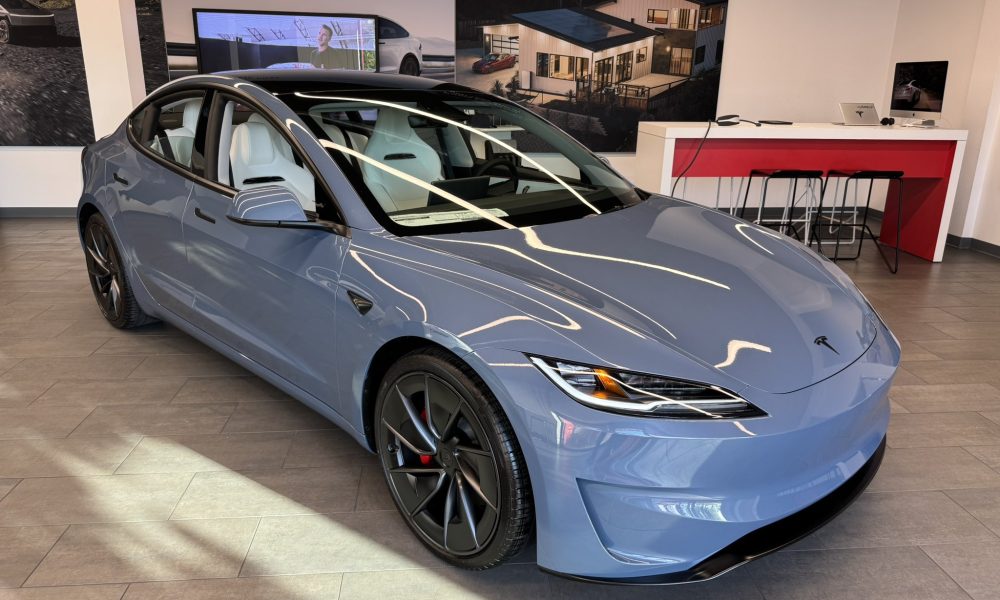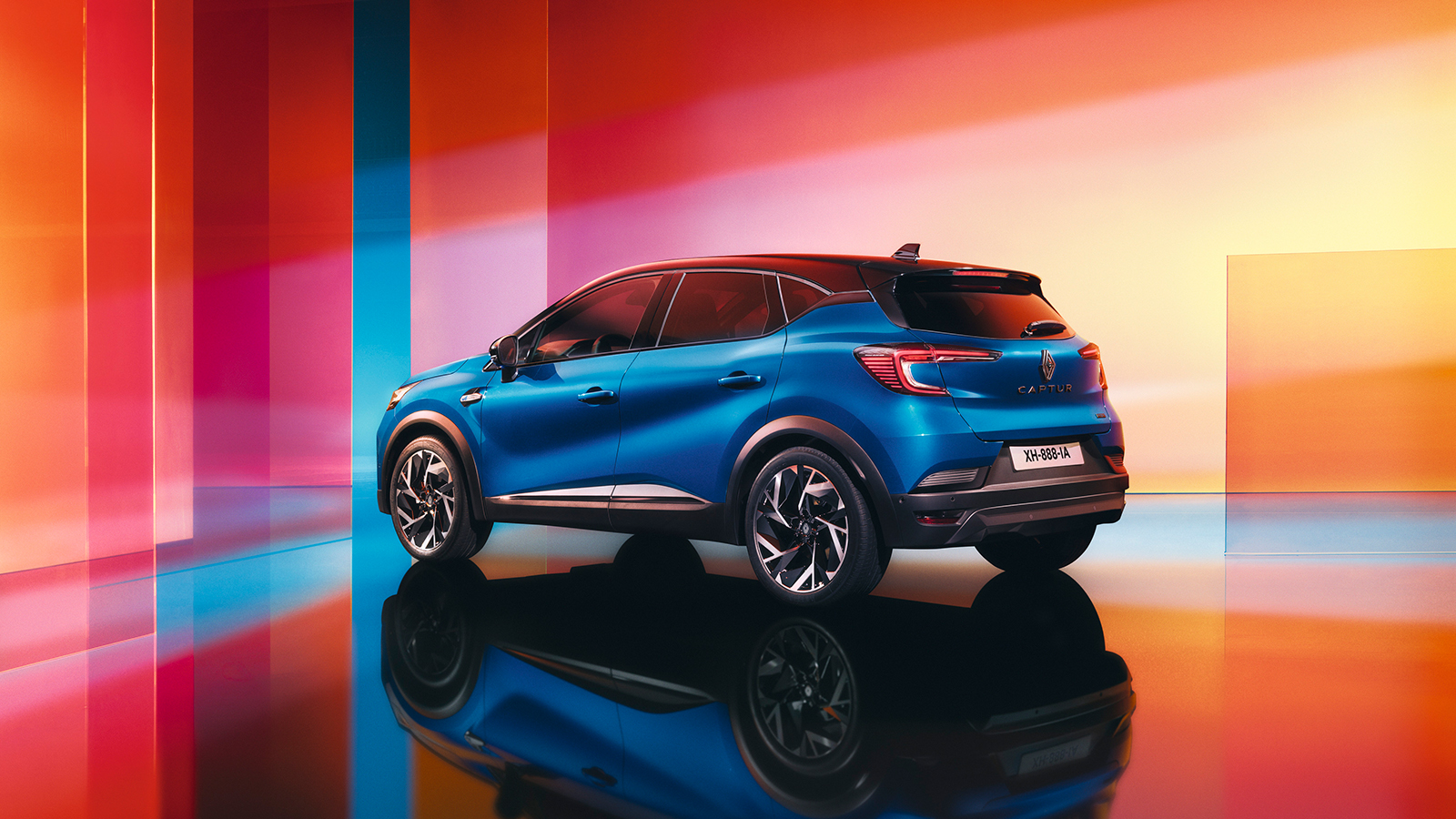
For many households, the debate over switching from a reliable gasoline car to an electric vehicle is less about range anxiety and more about disrupting a comfortable status quo. This was precisely the battleground for one family, where a husband's Tesla enthusiasm met his wife's pragmatic loyalty to their five-year-old Renault Captur. Her argument was simple and powerful: "It works very well. Why would we change?" What followed was a real-world experiment in EV persuasion that ended not with a reluctant concession, but with a genuine conversion.
The Skeptic's Arsenal: Cost, Convenience, and Change
The wife's resistance was rooted in practical economics and proven reliability. Their Renault Captur was a known entity—paid off, efficient, and familiar. The prospect of taking on a new car payment for an unproven (to her) technology seemed financially unnecessary. Furthermore, the perceived hassles of charging, especially without a home charger initially, and learning a completely new automotive interface felt like solutions in search of a problem. This skepticism is a microcosm of the broader market challenge: winning over buyers who are not early adopters but satisfied, risk-averse consumers.
The Tesla Tipping Point: Experience Over Argument
The shift began not with data sheets, but with experience. A prolonged test drive in a Tesla Model Y became the turning point. The visceral thrill of the instant torque, the serene quietness of the cabin, and the simplicity of one-pedal driving delivered an emotional impact no statistic could. The over-the-air software updates promised a car that would improve over time, contrasting sharply with the static nature of their gasoline vehicle. Crucially, the integration of the Supercharger network alleviated the charging infrastructure fear, framing it as a solved problem rather than a personal burden.
Day-to-day life with the Tesla systematically dismantled the remaining doubts. The low operating cost per mile became tangible. The convenience of pre-conditioning the cabin from a phone, the enhanced safety features of Autopilot on highways, and the sheer volume of storage space offered practical benefits that permeated daily routines. The initial worry about change was replaced by an appreciation for a superior, integrated technological experience that the old Renault simply could not match.
Implications for Tesla and the EV Market
This story underscores a critical phase in electric vehicle adoption: the move from early adopter to mainstream pragmatist. The victory wasn't won on environmental claims alone, but on superior ownership economics, convenience, and a demonstrably better driving experience. For Tesla, it validates a product-led strategy where the car itself is the most persuasive salesperson. For the wider EV industry, it highlights the necessity of seamless charging infrastructure and the importance of getting skeptical drivers behind the wheel.
For Tesla owners and investors, narratives like this are foundational. They signal that the company's addressable market is expanding beyond tech enthusiasts to include the most pragmatic segments of the car-buying public. As more satisfied gasoline drivers become advocates, it creates a powerful organic marketing flywheel. The ultimate takeaway is that in the battle for the mainstream, winning over the skeptical spouse isn't just a personal victory—it's a key indicator of sustainable, mass-market growth.