For decades, the romance of classic car ownership has been tempered by a harsh reality: the hunt for parts and the fear of manufacturer abandonment. As the automotive world pivots decisively toward an electric future, a new question emerges—will our modern EVs become the orphaned classics of tomorrow? A closer look at the industry reveals a strategic divide, with a select group of automakers laying a crucial blueprint for long-term owner support that extends far beyond the showroom floor.
The Benchmark for Legacy: More Than Just Nostalgia
Several legacy automakers have established gold-standard programs that classic car owners rely on. Brands like Mercedes-Benz with its Classic Center and Porsche with its Classic Parts division don't just sell reproduction components; they actively preserve heritage by supporting vehicles that are decades old. This commitment requires significant investment in tooling, supply chains, and archival expertise. It transforms a car from a disposable asset into a sustained member of the brand family, fostering immense loyalty and protecting residual values. For these companies, supporting classics is a direct extension of their brand prestige and a powerful marketing tool.
Tesla's Unique Position in the Heritage Conversation
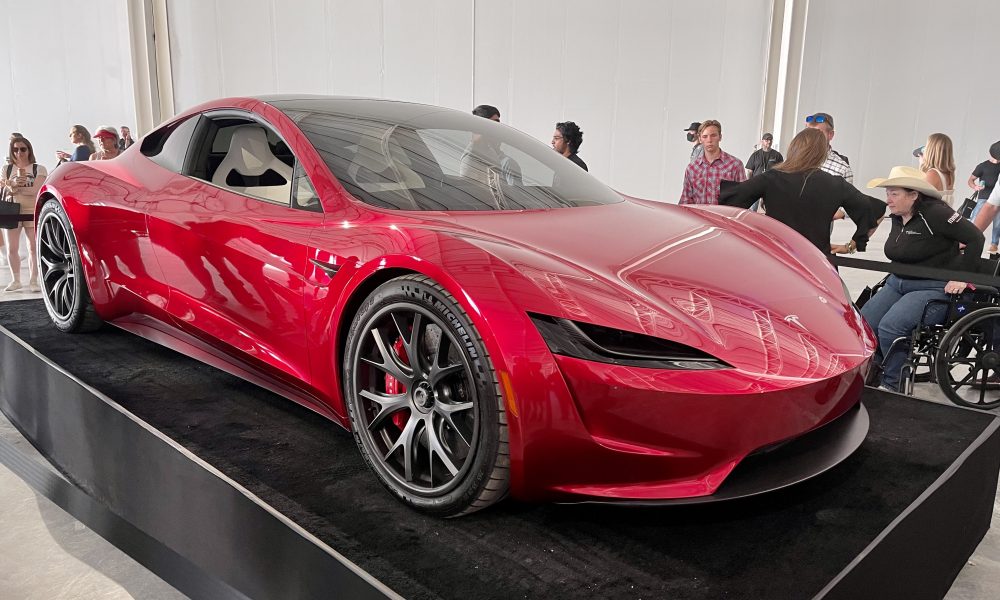
Tesla, as a 17-year-old automaker by volume production standards, doesn't have classics in the traditional sense. Yet, its approach to its earliest models like the original Roadster and the Model S will set a critical precedent. The electric vehicle pioneer operates fundamentally differently, with a heavy reliance on over-the-air updates and vertically integrated service. The challenge won't be mechanical parts like pistons, but the long-term support for proprietary battery packs, legacy software architectures, and specialized electronics. Tesla's continuous improvement ethos is an asset, but it raises questions about how it will service vehicles built on platforms it has evolved beyond.
The true test for Tesla and other modern EV makers will be emulating the classic-friendly brands' philosophy of sustained access. Will a 2032 owner of a 2023 Model 3 Performance be able to source a replacement infotainment module or a specific battery cell configuration? Companies that plan for this eventualities—by securing intellectual property, maintaining diagnostic tool access, or offering official refurbishment programs—will create a new class of future-proofed classics. This isn't mere nostalgia; it's a strategic calculation about brand trust and the total cost of ownership over a vehicle's lifespan.
For Tesla owners and investors, this evolving landscape is a vital consideration. A brand's commitment to its legacy products is a strong indicator of long-term health and customer-centric values. Investors should watch for initiatives like expanded parts catalogs for discontinued models or official restoration support as signs of maturity. Owners, particularly of early-adopter models, gain not just convenience but also potential value retention if Tesla institutionalizes its legacy support. In the electric vehicle era, the classic cars of tomorrow are being built today, and the manufacturers that support them throughout their lifecycle are making a powerful statement about endurance in a disposable world.