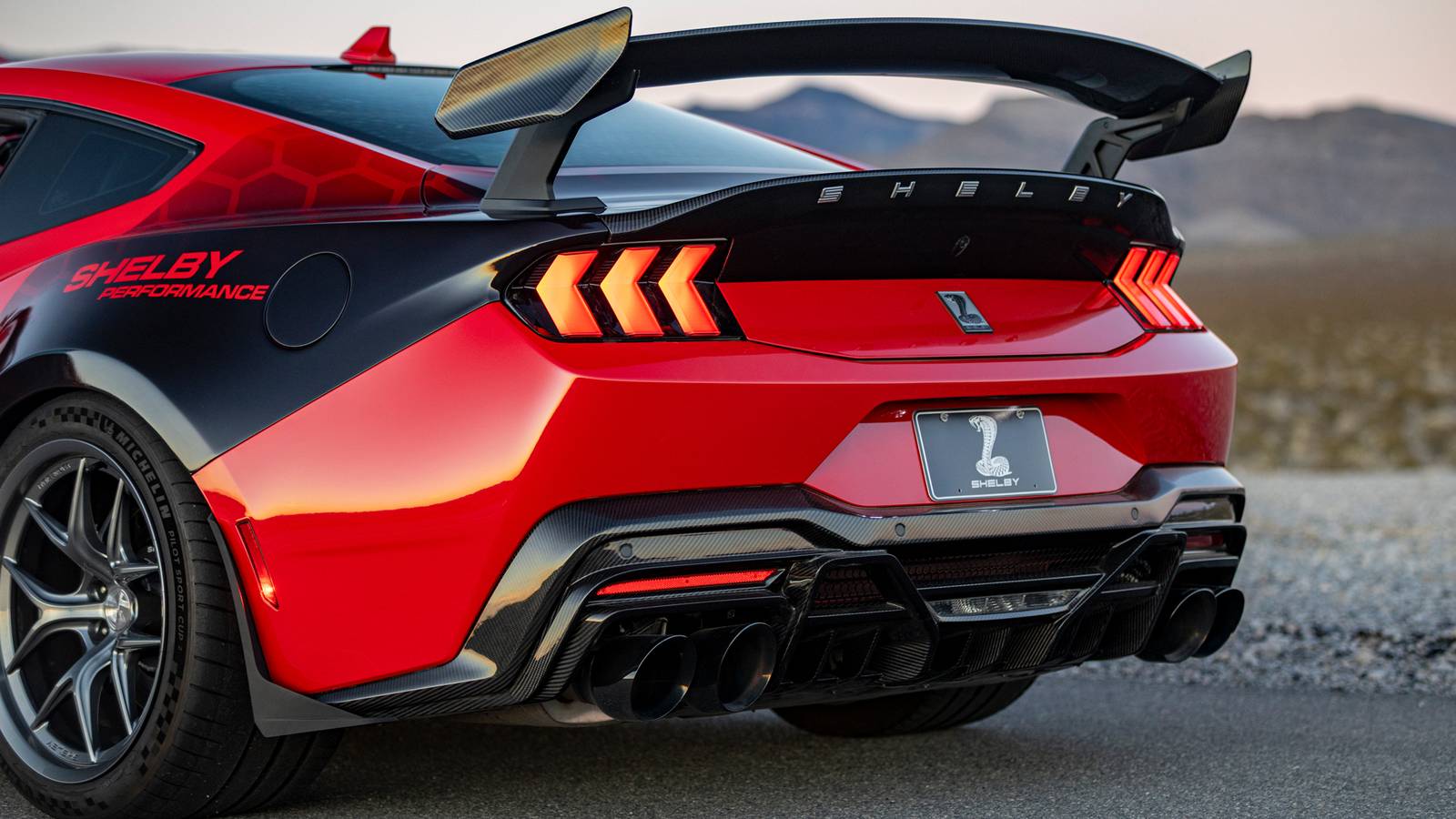
In the high-stakes world of American muscle, benchmarks are made to be shattered. For years, the 2008 Shelby GT500 and its 500 horsepower supercharged V8 stood as the undisputed apex predator of the Ford lineup, a raw-boned symbol of gasoline-powered supremacy. Yet, in a stunning display of engineering evolution, a new generation of supercharged Mustangs has not only caught that legend but has decisively left it in the digital dust. This isn't just about incremental gains; it's a paradigm shift in performance that resonates deeply in an era increasingly defined by electric vehicle acceleration.
The New Guard: Redefining "Enough" Horsepower
Where the 2008 GT500 was a milestone, modern supercharged Mustangs like the Shelby GT500 (featuring a staggering 760 horsepower from its cross-plane crank V8) and the aftermarket-tuned demons from shops like Roush and Hennessey treat that original figure as a mere starting point. The technological leap is profound. Advanced direct injection, dual-fuel systems, and vastly improved supercharger intercooling have transformed the modern 5.0-liter and 5.2-liter engines into powerplants capable of reliably producing 700, 800, even over 900 horsepower in factory or factory-backed configurations. This represents a 50% to over 80% increase in output in just over a decade, a rate of progress that mirrors the disruptive acceleration curves seen in the EV sector.
Context in an Electrified Era
This horsepower arms race occurs against the backdrop of the electric vehicle revolution, led by brands like Tesla. The raw, instant torque of a Tesla Model S Plaid has reset consumer expectations for acceleration, making sub-three-second 0-60 mph times a new performance bar. Ford's response, through these extreme internal combustion engines, is a defiant celebration of mechanical theater and analog thrill. However, it also strategically positions the Mustang as a halo performance brand, showcasing an engineering prowess that can now flow into its own electric efforts, such as the Mustang Mach-E. The message is clear: performance leadership, regardless of powertrain, is non-negotiable.
For Tesla owners and EV enthusiasts, the relentless advancement of these supercharged Mustangs serves as a fascinating counterpoint. It underscores that the performance market is bifurcating: one path defined by silent, instantaneous electric thrust, and another by the visceral, auditory drama of extreme internal combustion. This competition ultimately benefits the consumer, pushing all manufacturers to innovate faster. For investors, Ford's commitment to advancing its iconic nameplate with such extreme performance variants signals a deep understanding of brand equity and a refusal to cede the performance narrative entirely to electric vehicles, even as it develops its own EV portfolio.


