In a surprising twist for the premium electric vehicle sector, Porsche has reported a notable dip in its EV sales across North America for 2025. This decline comes despite the German automaker achieving record overall deliveries in the region, painting a complex picture of a market where consumer preference for traditional powertrains remains stubbornly strong even within a high-performance brand.
A Tale of Two Powertrains: Record Highs Amidst EV Lows
Porsche's North American performance in 2025 is a study in contrasts. While the company celebrated its best-ever year for total vehicle deliveries, the growth was overwhelmingly driven by its internal combustion engine (ICE) and hybrid models. The iconic 911 and the popular Cayenne SUV saw significant demand, with the latter's plug-in hybrid variants resonating particularly well with buyers seeking a balance of performance and efficiency. This surge in gasoline and hybrid sales starkly highlights the decline in pure electric vehicle numbers, suggesting a strategic pivot or a market hesitation that Porsche must now address.
Decoding the Demand: Why Porsche EVs Lost Ground
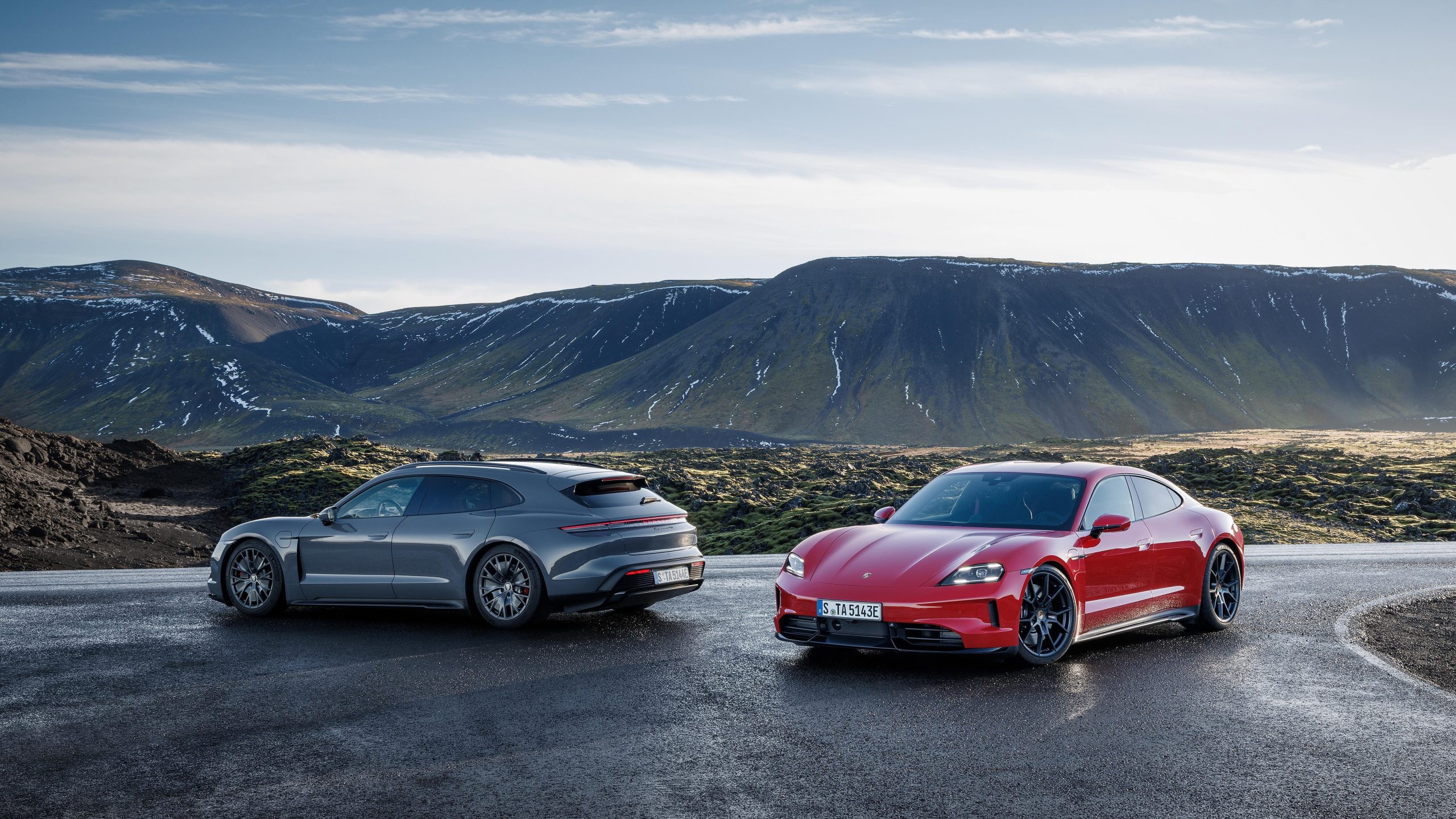
Analysts point to a confluence of factors behind this EV sales slip. First, the premium electric vehicle landscape has become fiercely competitive, with newer entrants and established rivals like Tesla continuously refreshing their offerings. Second, Porsche's current EV lineup, centered on the Taycan sedan and its derivatives, is in a later stage of its product cycle, potentially facing buyer anticipation for next-generation models. Furthermore, the continued consumer embrace of Porsche's hybrid technology indicates a segment of buyers who are not yet ready to fully commit to a pure electric vehicle, preferring the flexibility and familiar refueling infrastructure that hybrids provide.
The broader economic context cannot be ignored. With potential economic headwinds and higher interest rates in 2025, buyers in the luxury segment may be opting for Porsche's established, high-resale value ICE models over what they might perceive as a rapidly evolving EV technology investment. This trend underscores a critical challenge for all legacy automakers: transitioning a loyal, performance-oriented customer base to an electric future is not a linear journey and requires meticulous product timing and market education.
For Tesla and its community, Porsche's mixed results are both a validation and a cautionary note. They validate Tesla's first-mover advantage and its success in building a dominant, EV-only brand identity that continues to capture market share. However, the data also cautions that the transition to electric vehicles across the entire auto industry will be uneven, with legacy brands experiencing friction as they manage a dual-powertrain strategy. Tesla's focus remains unclouded, but Porsche's struggle highlights that converting the high-end performance buyer is a distinct battle.
For Tesla owners and investors, this development reinforces the strength of a dedicated EV ecosystem. It suggests that while traditional luxury brands are formidable, their path to electrification is fraught with internal competition from their own gasoline-powered icons. As Tesla prepares to launch its own next-generation platforms and vehicles, the momentary stumble of a key competitor like Porsche in the EV space may provide a strategic window to further solidify its lead in the premium electric vehicle market, particularly among enthusiasts who value a pure, uncompromised electric driving experience.