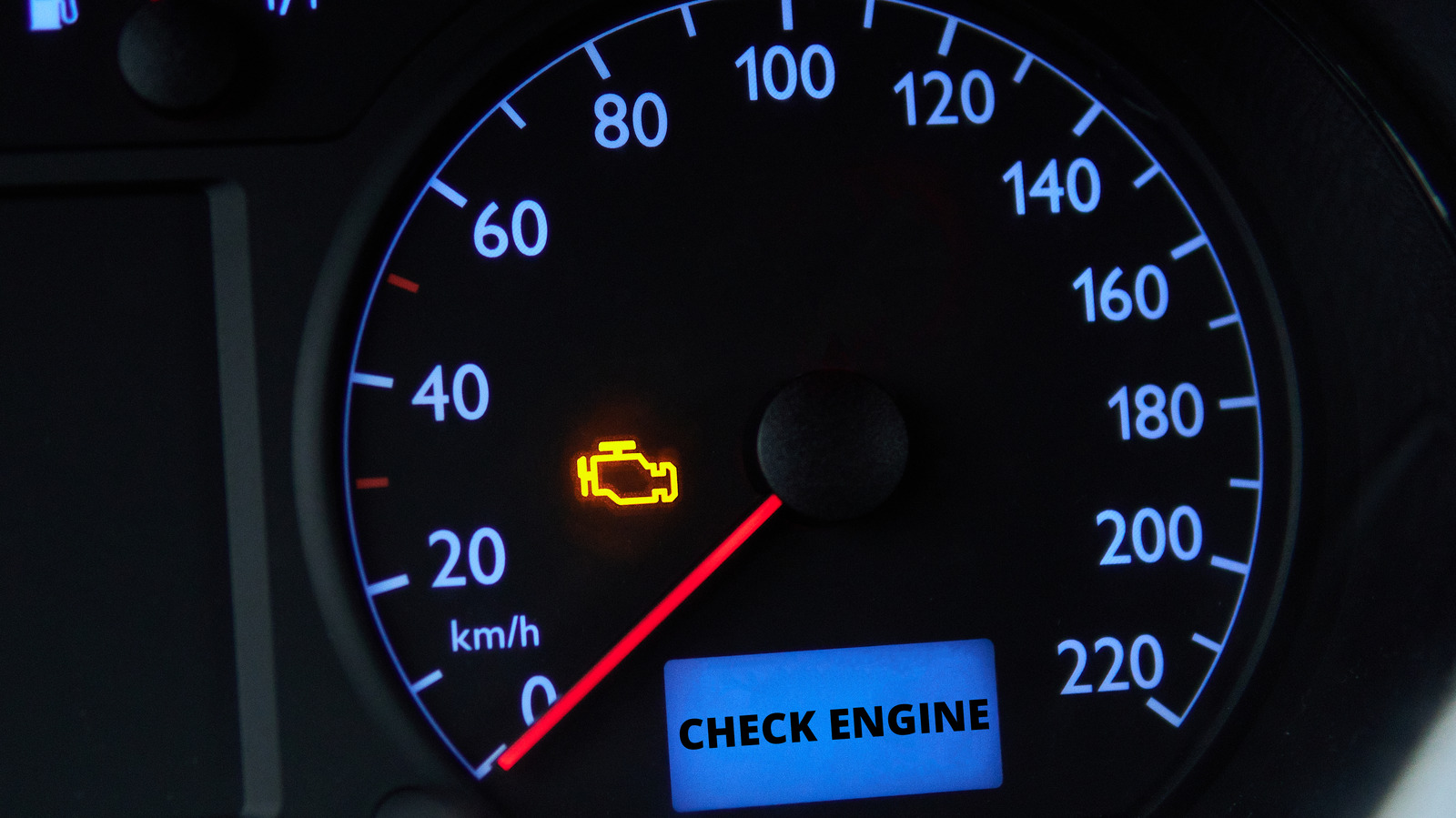
You're cruising down the highway in your Tesla, the epitome of silent electric power, when suddenly a cascade of warnings flashes across the touchscreen. The car drastically cuts power, refusing to accelerate beyond a crawl, and directs you to pull over safely. This alarming scenario isn't a total system failure; it's the vehicle entering a protective state known as limp mode. For EV owners accustomed to blistering performance, this sudden neutering of their machine is both confusing and concerning. Understanding why it happens and how to respond is crucial for every modern driver.
Limp Mode: The Vehicle's Self-Preservation Protocol
Limp mode, formally known as limp-home mode, is a universal automotive safeguard, not unique to Tesla or electric vehicles. When the car's computer detects a critical fault in a major system—be it the powertrain, battery, or thermal management—it triggers this protocol. The primary goal is preventing catastrophic damage. By severely limiting power and speed, often to just 20-30 mph, the system reduces stress on the compromised component. This allows the driver to "limp" to a safe location or a service center without causing further, more expensive harm. Think of it as the car's immune system isolating an infection to keep the whole body running, albeit at a reduced capacity.
Common Culprits in a Tesla EV
While traditional internal combustion cars often limp due to transmission or emissions faults, the triggers in a Tesla are rooted in its electric architecture. A leading cause is thermal issues within the powertrain or High Voltage Battery. If the cooling system fails to regulate temperature, the computer will slash performance to prevent overheating. Similarly, faults in critical sensors, the drive inverter, or even the 12V auxiliary battery—which powers the car's computers—can initiate the mode. In some cases, software glitches following an update may also cause false positives, where the system detects a problem that doesn't physically exist.
The immediate action plan is straightforward: safely pull over as soon as possible. Once stopped, the recommended first step is a full reboot of the vehicle's systems. This is done by going into the Controls > Safety > Power Off menu and waiting several minutes without touching any pedals or doors. This soft reset can clear transient errors. If the alerts persist, contacting Tesla Service via the in-car button or mobile app is essential. They can often run remote diagnostics to pinpoint the issue. Never ignore or repeatedly trigger limp mode, as it is a definitive sign of a problem needing professional attention.
Implications for Owners and the EV Landscape
For Tesla owners, an encounter with limp mode is a stark reminder that even highly advanced EVs are complex machines with fail-safes. It underscores the importance of heeding warning messages immediately and utilizing the company's robust remote support. For investors, the frequency and causes of such events are a subtle metric of vehicle reliability and software maturity. As the electric fleet ages, managing these protective interventions through proactive diagnostics and over-the-air fixes will be a key differentiator in customer satisfaction. Ultimately, limp mode, while inconvenient, is a critical feature that prioritizes long-term vehicle integrity over short-term performance, protecting both your investment and your safety on the road.