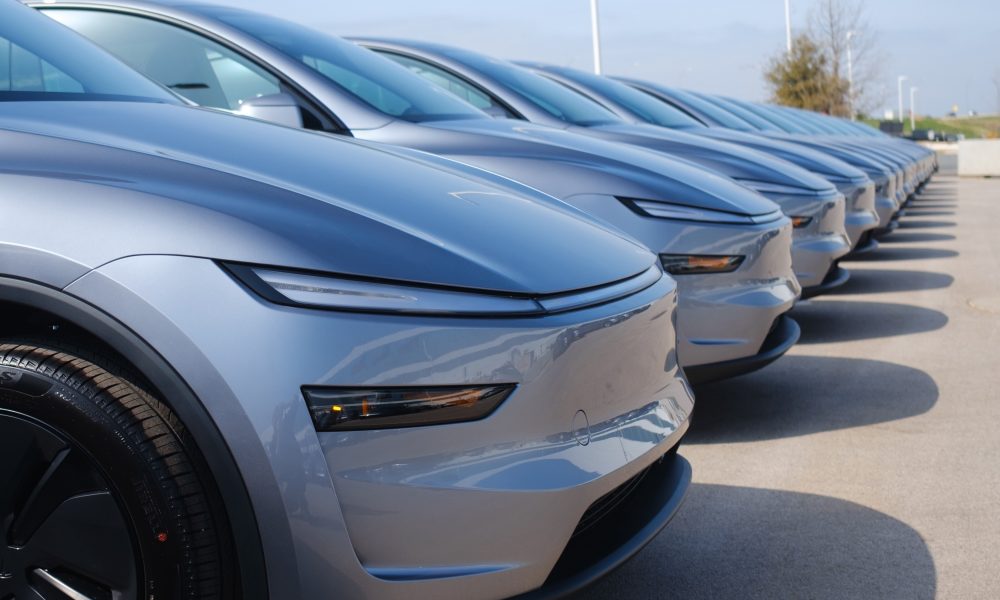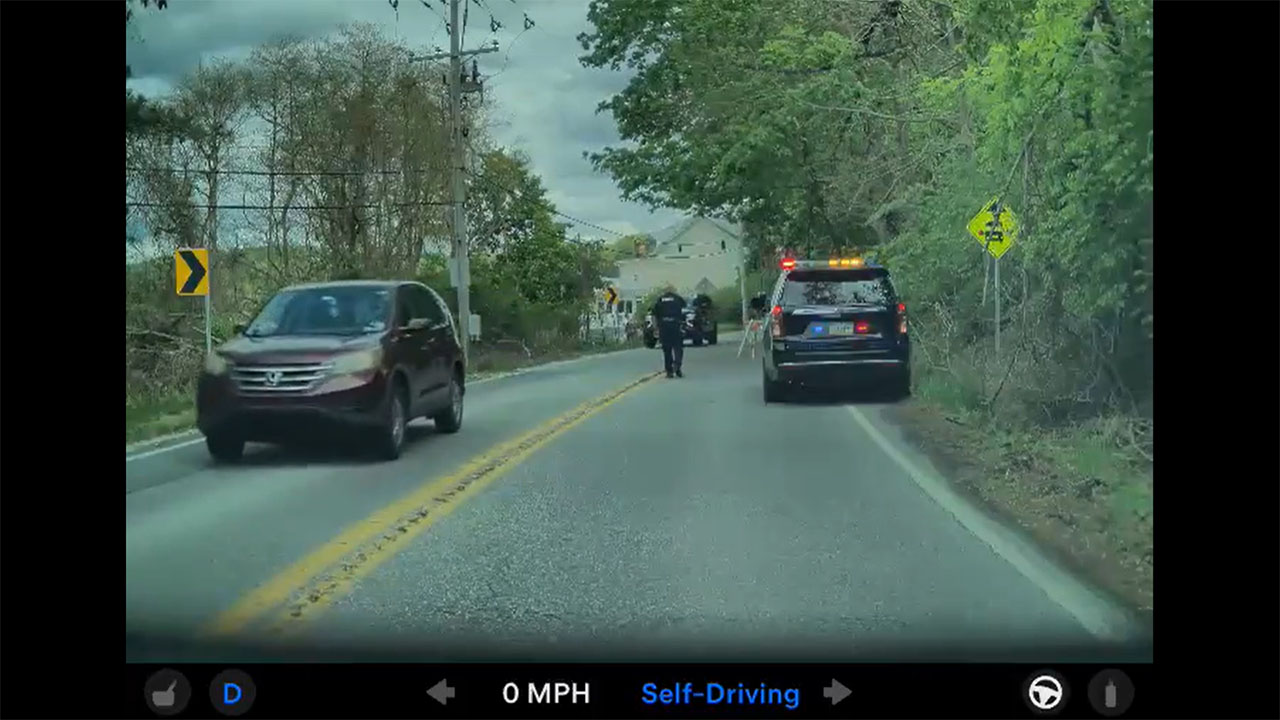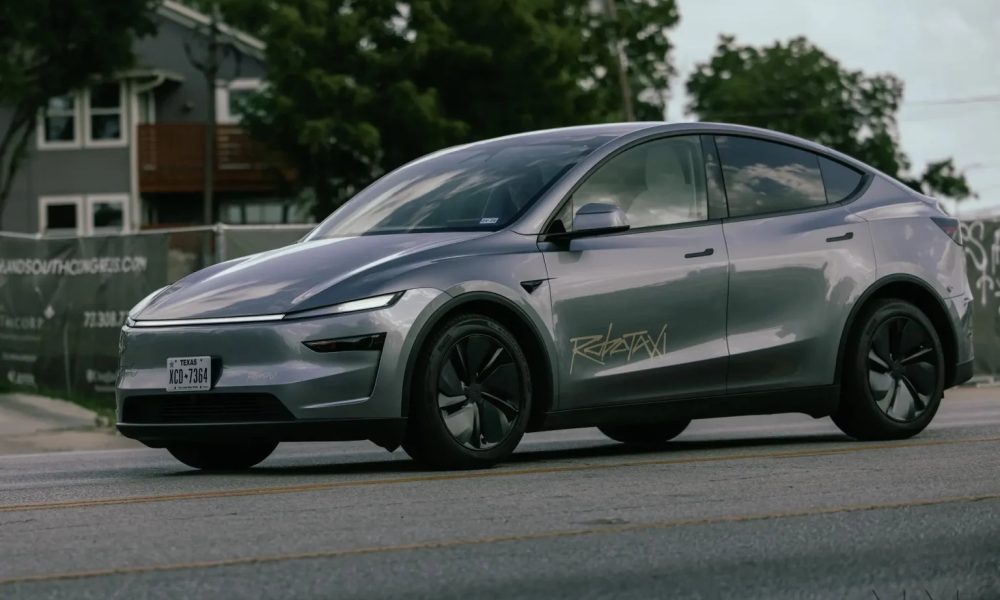
In a watershed moment for autonomous driving, Tesla has removed the final human link from its operational chain. The company has officially launched its first public Robotaxi rides in Austin, Texas, operating vehicles with no Safety Monitor behind the wheel. This decisive step transforms Tesla's long-promised vision of a driverless future from a controlled test into a tangible, public-facing service, marking the first time the company has entrusted a member of the public to a vehicle with no Tesla employee present.
The Safety Monitor Era Comes to a Close
Since its initial limited launch in Austin last June, Tesla's Robotaxi service has always included a critical human element: the Safety Monitor. This employee, seated in the driver's position, was responsible for monitoring the Full Self-Driving (FSD) software and intervening if necessary. Their presence was a necessary concession to regulatory and safety prudence, a bridge between beta testing and true autonomy. Their removal is not merely an operational change but a profound statement of confidence from Tesla. It signals that the company's AI and sensor suite—collectively known as the "Tesla Vision" system—is now deemed robust enough to handle complex urban environments without a human fallback, a milestone the entire EV and tech industry has watched for years.
Navigating the Regulatory and Technical Landscape
Launching a truly driverless service required navigating a complex web of technical validation and regulatory approval. Austin's specific infrastructure and regulatory environment provided a viable proving ground. The success of this phase will hinge on the performance of Tesla's neural networks in interpreting unpredictable real-world scenarios—from construction zones to erratic pedestrian behavior—without human oversight. Every successful ride adds invaluable data to train these systems further, but any significant incident could attract intense scrutiny from safety advocates and officials. This move places Tesla in direct operational competition with other autonomous vehicle players like Waymo, but with the distinct approach of using a consumer-grade sensor suite and a fleet ultimately intended to be privately owned.
The implications for Tesla owners and investors are immediate and multifaceted. For owners, particularly those with vehicles equipped with Hardware 4 and the FSD package, this validates the appreciating asset narrative Tesla has long championed. The dream of adding one's car to the Robotaxi network for passive income edges closer to reality. For investors, the Austin launch de-risks a core pillar of Tesla's long-term valuation thesis: the high-margin, recurring revenue potential of a global autonomous ride-hailing network. However, the path forward will be measured by rapid, incident-free scaling. The company must now demonstrate it can replicate this driverless model in increasingly diverse cities, a process that will test both its technology and its capacity to secure regulatory approvals on a broader scale.