![All the EVs you can buy with 0% financing in January 2026 [update]](https://i0.wp.com/electrek.co/wp-content/uploads/sites/3/2026/01/tesla-model-y.png?resize=1200%2C628&quality=82&strip=all&ssl=1)
While the electric vehicle market has long been dominated by aggressive lease promotions, a significant shift is underway for buyers who prefer to own. January 2026 has become a landmark month, with manufacturers rolling out unprecedented 0% financing deals on a wide range of popular models. This strategic move, aimed at clearing inventory and capturing market share ahead of anticipated new releases, presents a rare opportunity for consumers to secure long-term ownership of an EV with drastically reduced borrowing costs. Leading the charge is none other than Tesla, which has included its newly launched entry in the competitive financing war.
Tesla Joins the Fray with the "Affordable" Model Y
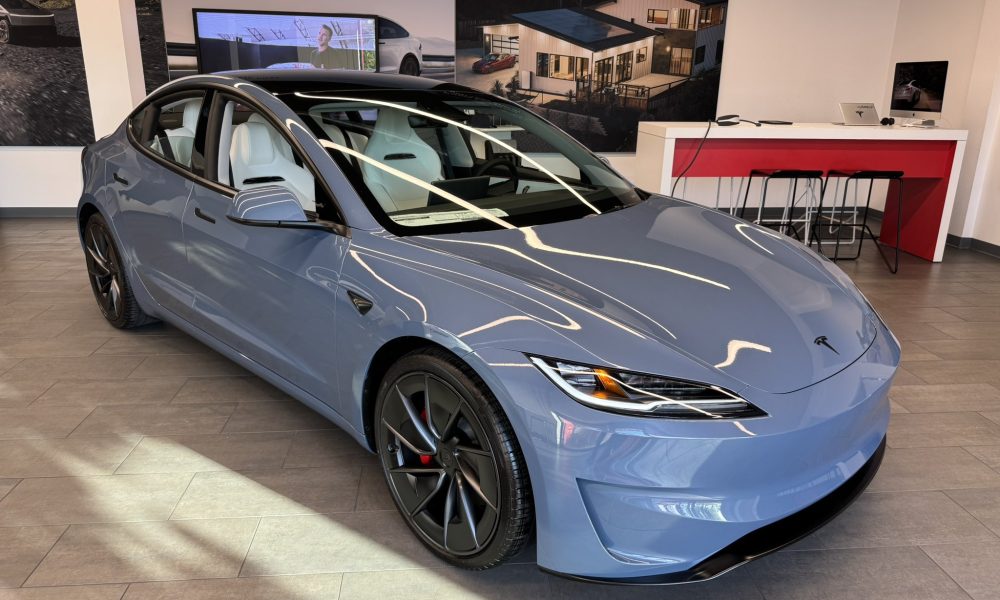
Tesla's inclusion of the Model Y Standard in its 0% financing offer is a pivotal development. This trim, positioned as the brand's new "affordable" crossover, combines Tesla's core technology with a lower price point. The ability to finance it with 0% interest for qualified buyers fundamentally alters its value proposition, making monthly payments more competitive than ever against both legacy automakers and leasing options. This aggressive tactic suggests Tesla is prioritizing volume and market penetration for this specific model, directly addressing criticism about affordability while maintaining its industry-leading profit margins on vehicle sales.
Market-Wide Momentum and Kia's Power Play
The trend extends far beyond Tesla, creating a buyer's market for electric vehicles. Following our initial report, Kia has amplified its offer on the acclaimed EV6. The updated deal for late January 2026 now includes 0% financing PLUS customer cash, effectively lowering the vehicle's purchase price before financing is even calculated. This combination of direct incentive and interest-free loan is a powerful one-two punch, indicating that manufacturers are willing to spend heavily to secure sales. Other brands are expected to have similar offers on select EVs, from compact sedans to three-row SUVs, as the industry navigates a period of intense competition and evolving consumer incentives.
Analysts view this surge in 0% deals as a multi-faceted strategy. It serves as a direct response to slowing growth in certain EV segments, a method to reduce existing inventory of current model-year vehicles, and a preemptive strike against a wave of next-generation models slated for late 2026 and 2027. For consumers, it mitigates one of the traditional hurdles of EV adoption—higher upfront cost—by eliminating finance charges over the life of the loan, which can save thousands of dollars.
For Tesla owners and investors, these developments carry significant implications. The company's participation signals a more tactical, competitive approach to sales promotions, leveraging its financial strength to defend and expand its market share. While potentially pressuring short-term margins, successfully deploying the Model Y Standard at scale could lock in a new cohort of owners into the Tesla ecosystem. Investors should watch the uptake of this financed model closely, as it will test demand elasticity and Tesla's ability to execute a high-volume, lower-margin strategy without cannibalizing sales of its higher-end vehicles.